From the blog and books
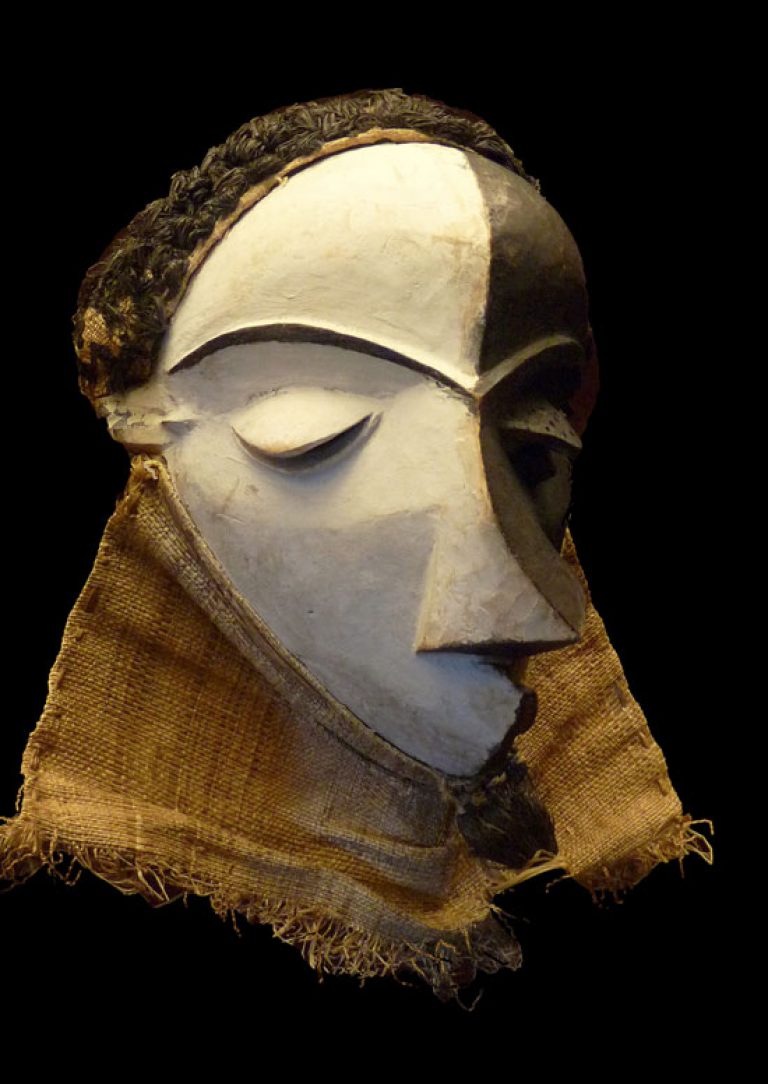
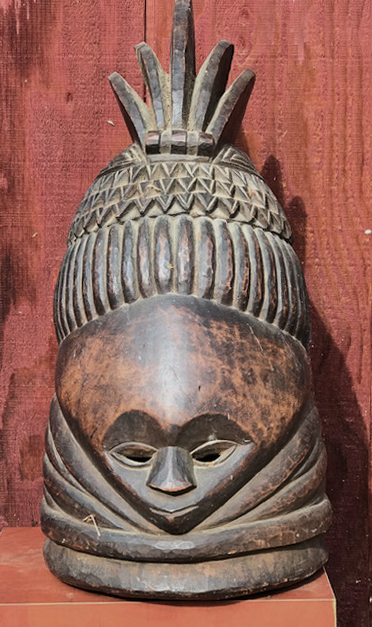
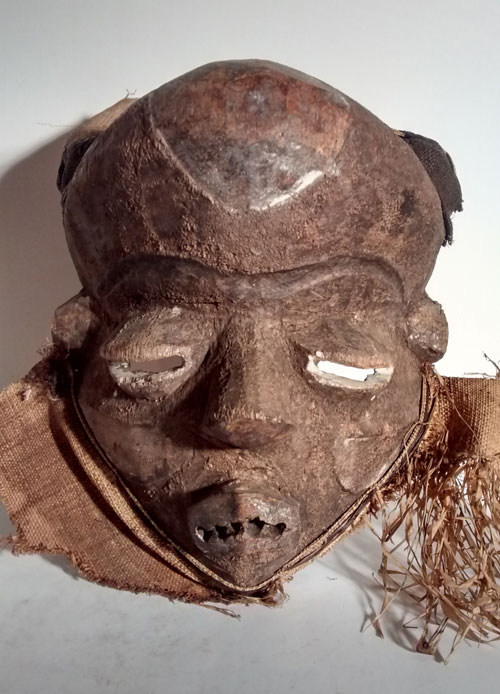
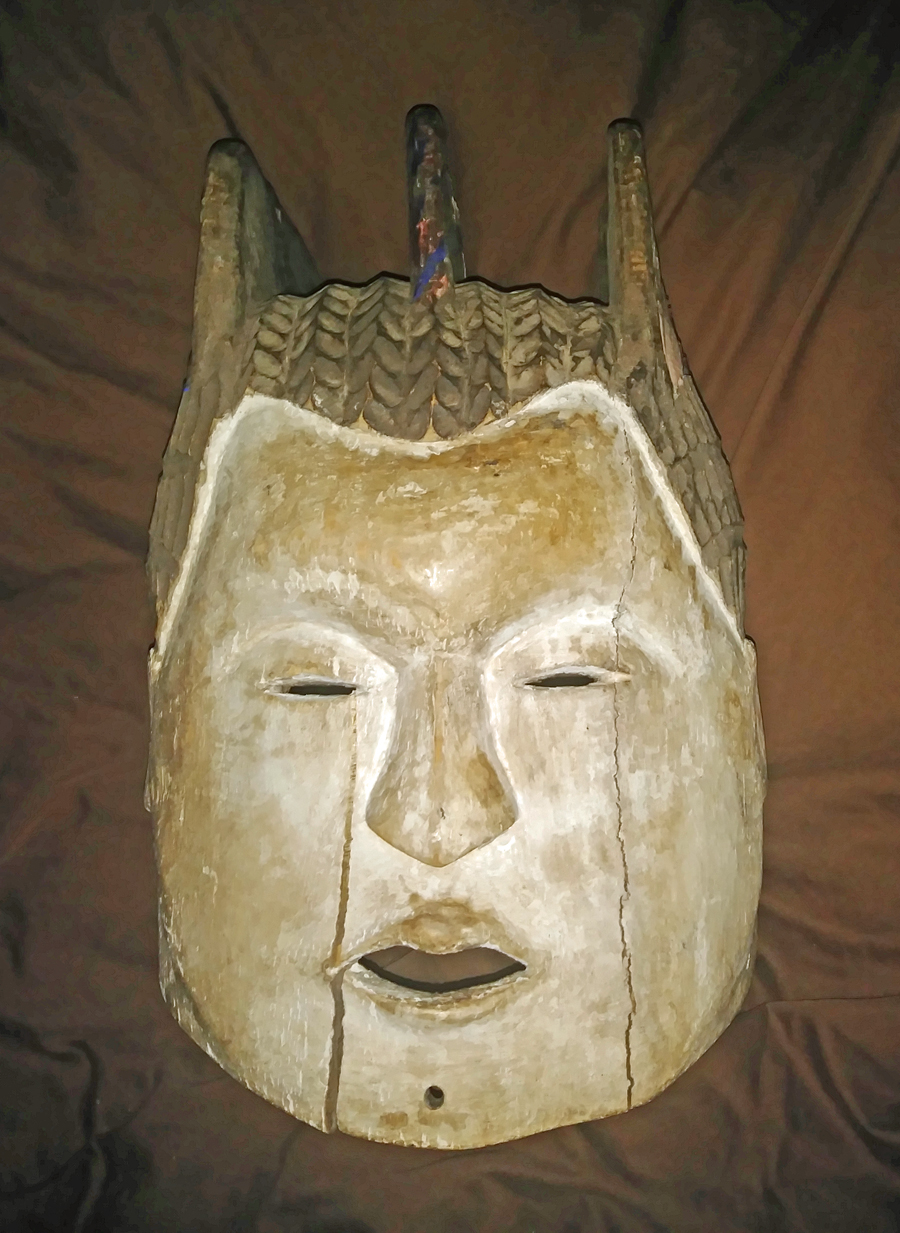
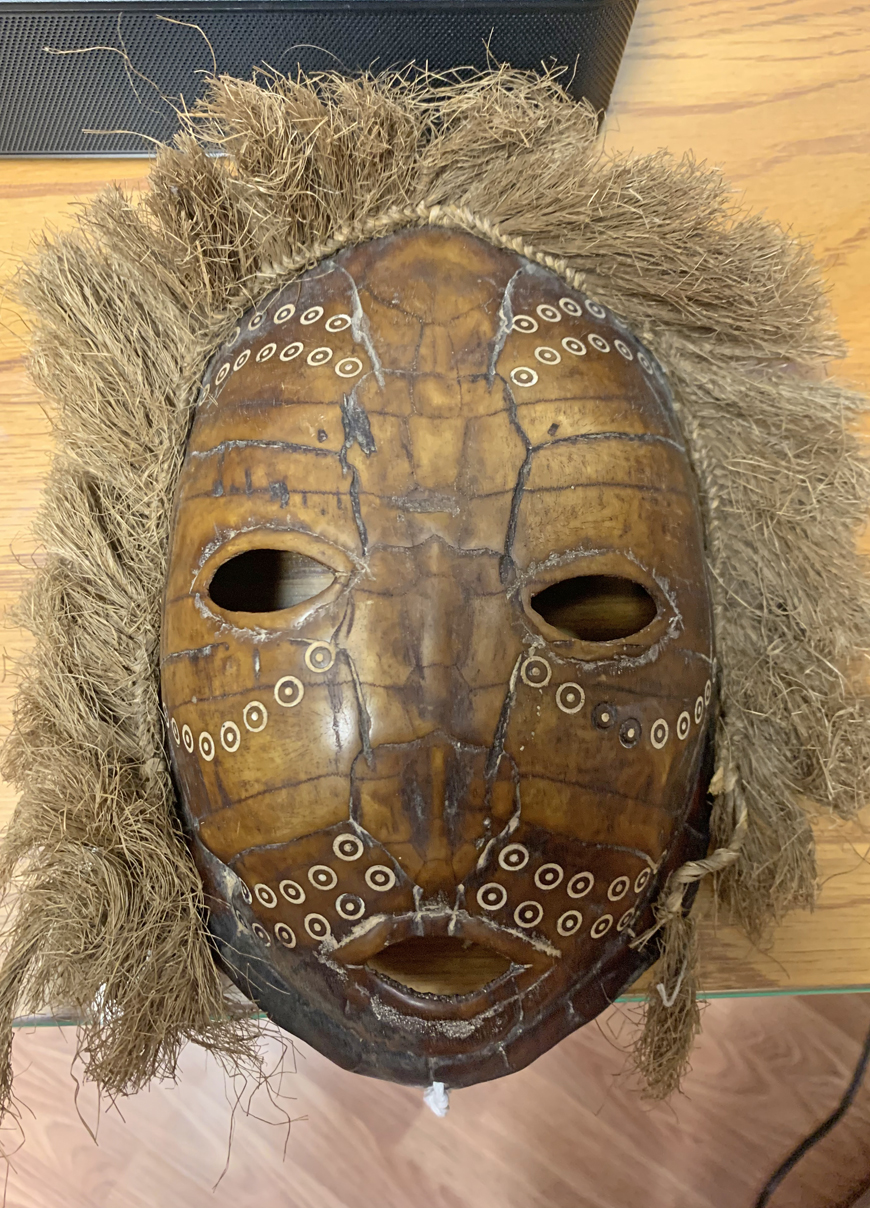
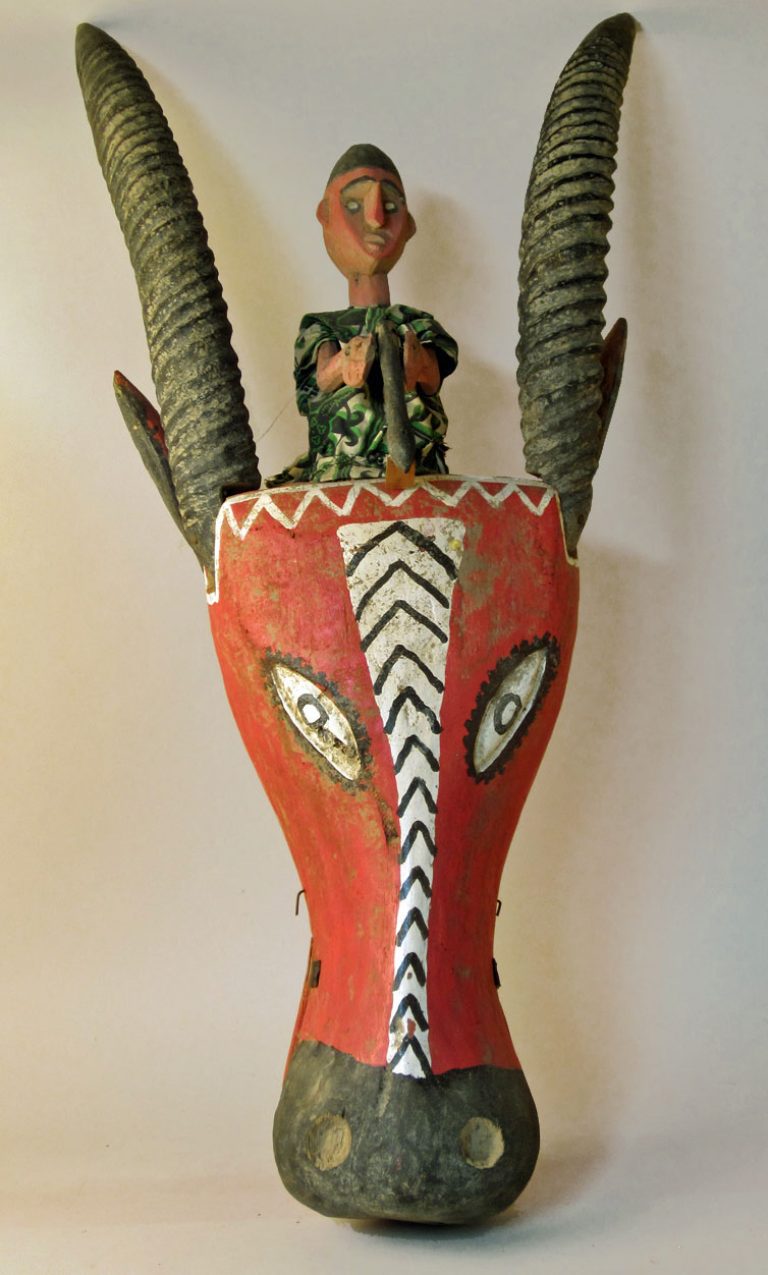
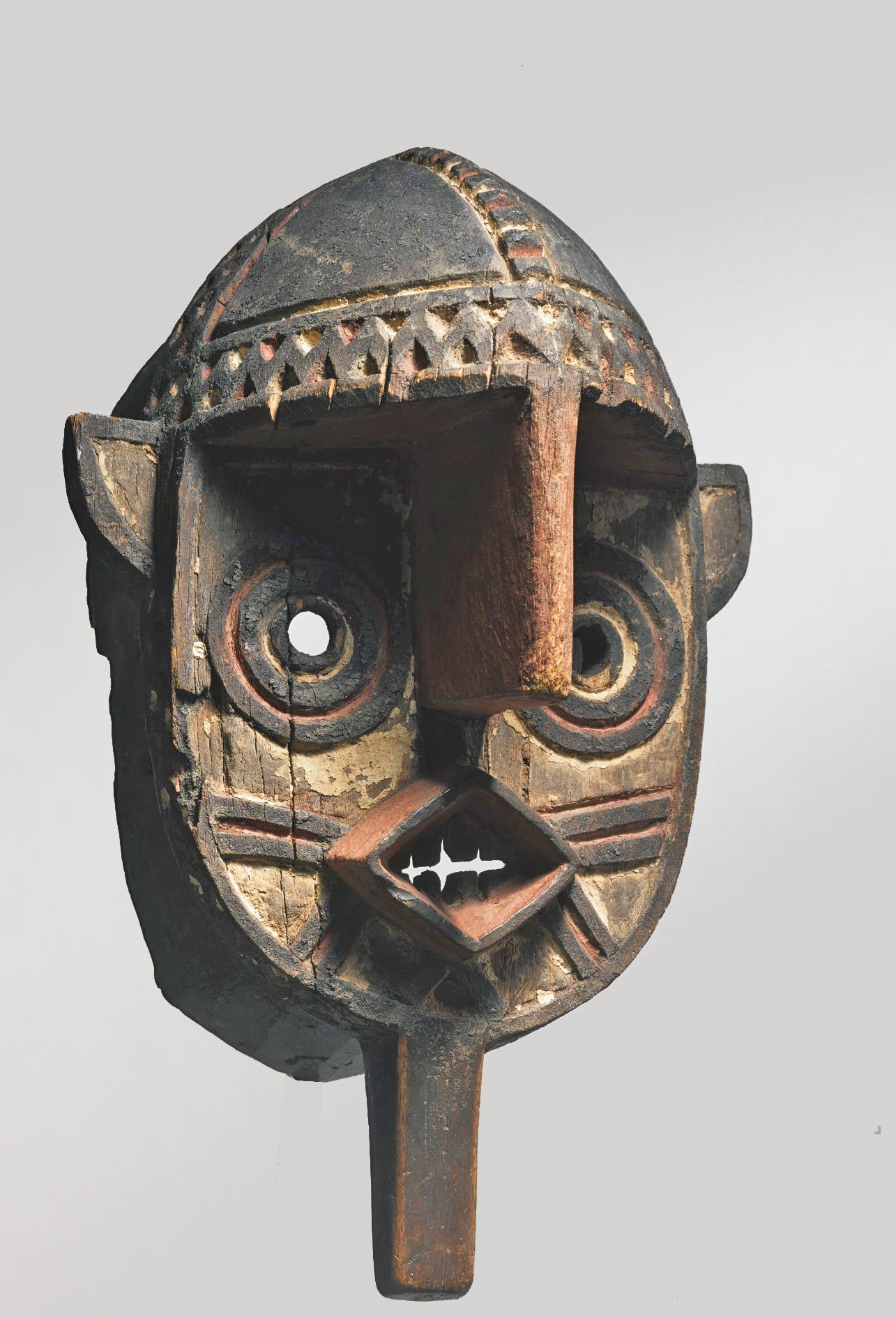
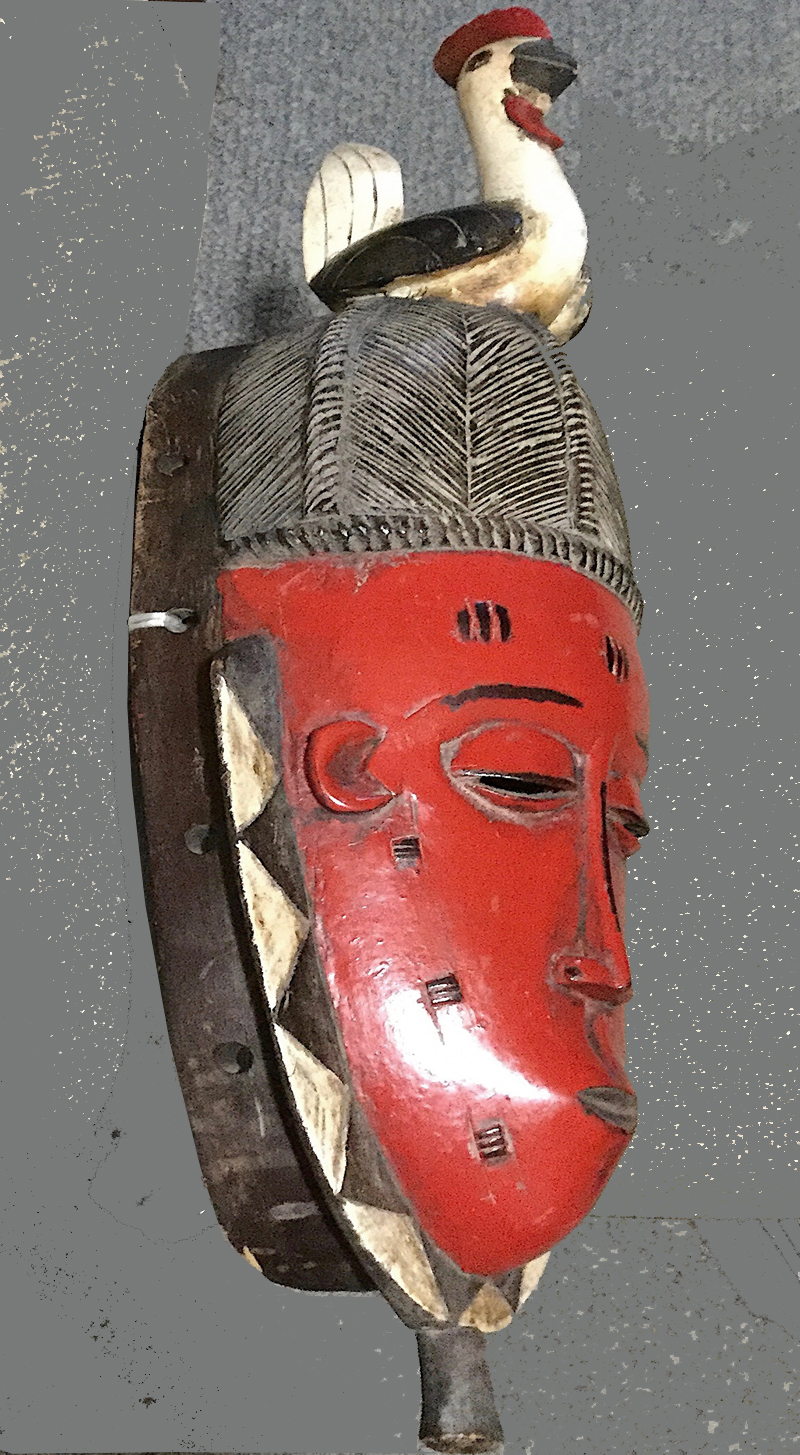
The masks click to explore.
Click any mask to view full size with cultural notes.
The largest interest cluster in our collector community, and for good reason. Africa's mask traditions span hundreds of cultures, thousands of years, and some of the most powerful objects ever made by human hands.
African masks represent the various ethnic groups that make up the continent's extraordinary cultural tapestry. Crafted from wood, metal, cloth, fiber, and beads, they serve as bridges between the living and the ancestral, between the human and the spiritual. These are not decorative objects. They are functional, ceremonial, and alive in a way that most collected objects never are.
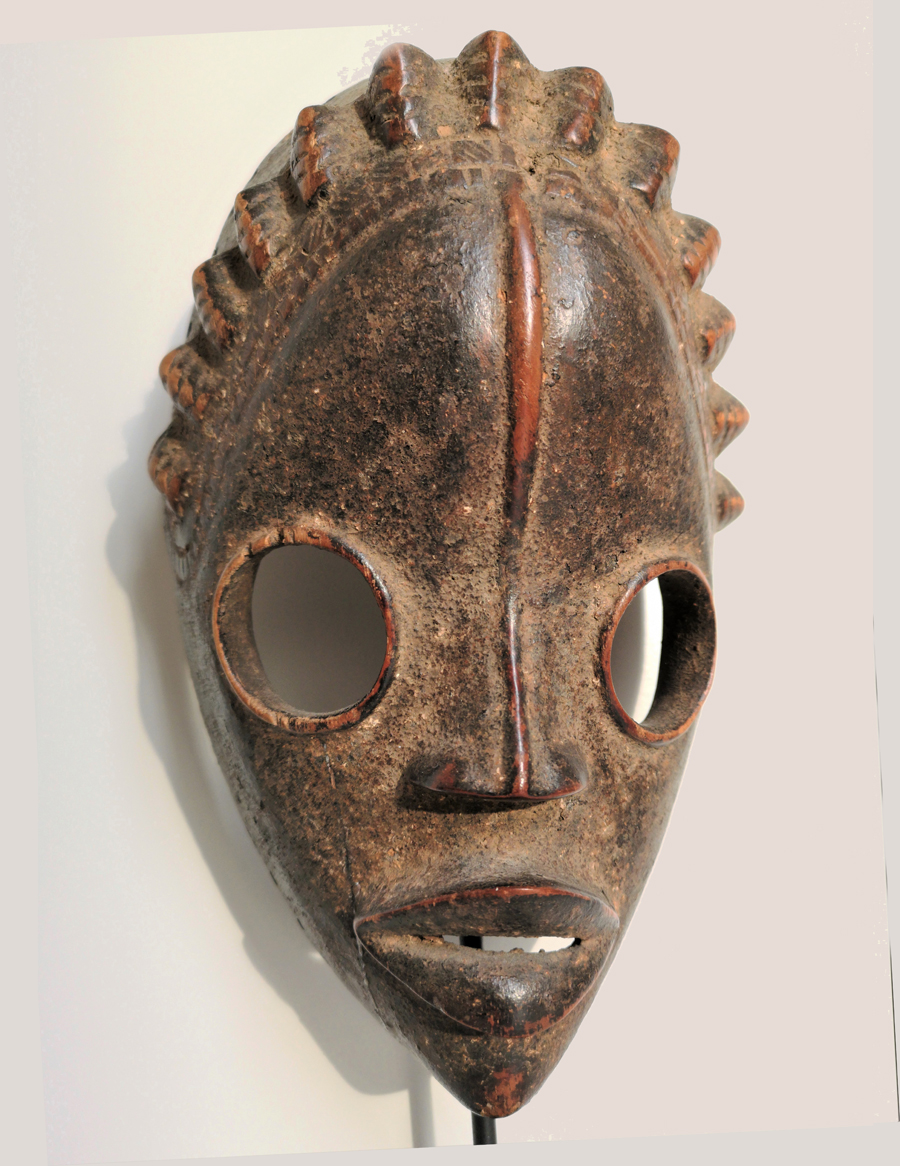
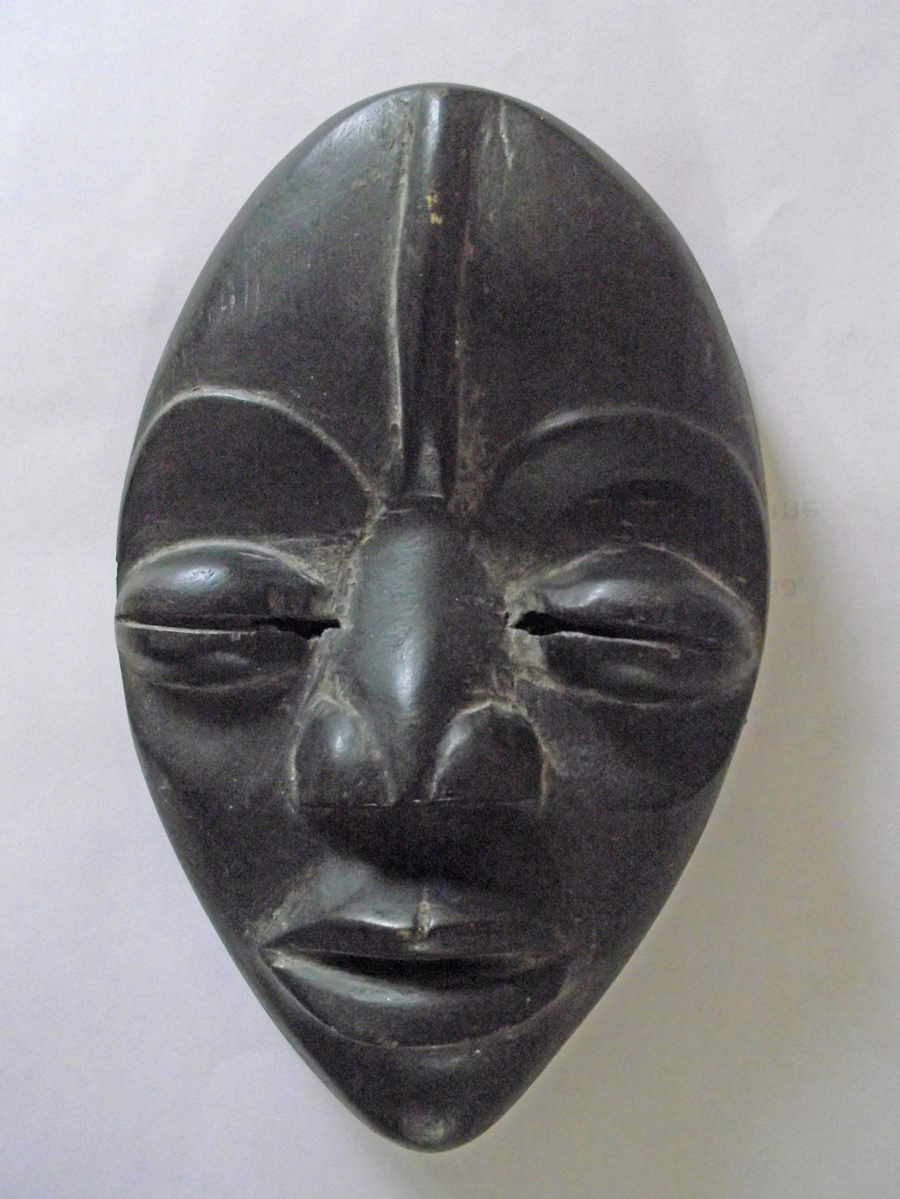
The continent's sheer diversity means that "African masks" is almost a misleading category. A Pende mask from the Democratic Republic of Congo and a Dan mask from the Ivory Coast share a continent and almost nothing else. Learning to distinguish between traditions, regions, and cultures is what separates a serious collector from someone with a shelf of souvenirs.
Africa is the largest interest cluster in our collector community and every year, more collectors discover why. The depth is inexhaustible. The authenticity challenges are real. The rewards, when you get it right, are unlike anything else in collecting.
Every mask carries cultural and spiritual significance that rewards study. The more you learn, the more you see. A mask you've owned for a decade can still surprise you.
The skill involved, from intricate carving to delicate beadwork is extraordinary. These are not folk art novelties. They are some of the most technically accomplished objects ever made.
For many collectors, African masks offer a chance to reconnect with roots or engage seriously with a history that most of the world has barely scratched the surface of.
Authentic African masks from significant cultures and periods hold value and appreciate over time. But the collectors who do best are the ones who bought what they understood, not what they were told to buy.
Click any mask to view full size with cultural notes.
With demand rising, counterfeiters have become extraordinarily skilled. Masks so convincing that seasoned collectors need to look twice. This isn't a fringe problem, it's the central challenge of the category.
The issue goes beyond individual collectors losing money. Every fake that enters the market erodes the cultural heritage it claims to represent. It deprives communities of their artifacts and undermines the traditional knowledge associated with them.
"Even with good provenance, the question remains the same... has it danced?"
Here's what actually helps:
Troy's free guide to the most common mistakes collectors make buying African masks and exactly how to avoid them. Download it before you buy anything.