From the collection
The masks click to explore.
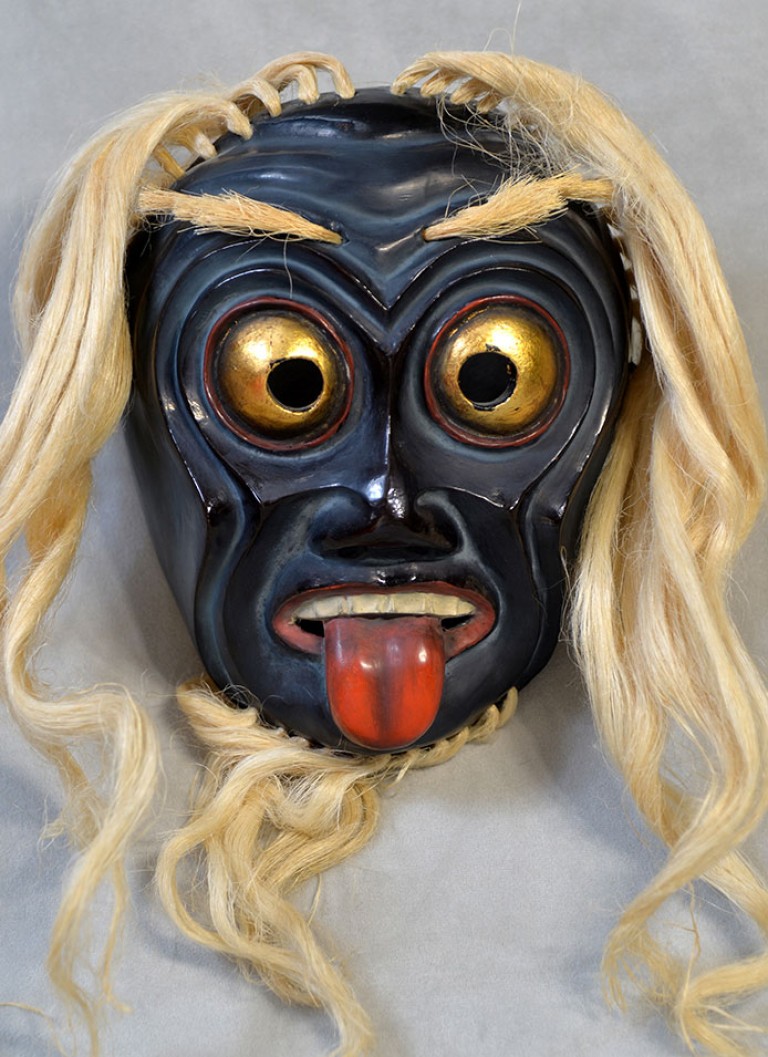
A selection from Troy's collection, the blog and field research. Click any mask to view full size with cultural notes.
The second most visited region on this site and one of the most technically and culturally extraordinary mask traditions in the world. Theater, folklore, religion, and craftsmanship refined over a thousand years.
Japan has long captivated the world with its art, traditions, and customs. Among its many cultural treasures, masks hold a special place reflecting the country's religious beliefs, folklore, and theatrical practices in ways that few other objects can. The art of mask-making in Japan embodies a blend of craftsmanship and symbolism that has resulted in some of the most collectible and studied masks anywhere on earth.
What makes Japanese masks unusual in a global collecting context is their specificity. Each mask type belongs to a defined theatrical or ceremonial tradition with its own rules, history, and meaning. You are not just buying an object, you are buying into a system of knowledge that rewards serious study. The more you learn, the more you see.
This is the second most visited regional section on this site, and we think we know why. Japanese masks are visually striking, culturally deep, and well-documented, which makes them accessible to new collectors while offering endless depth to experienced ones. A rare combination.
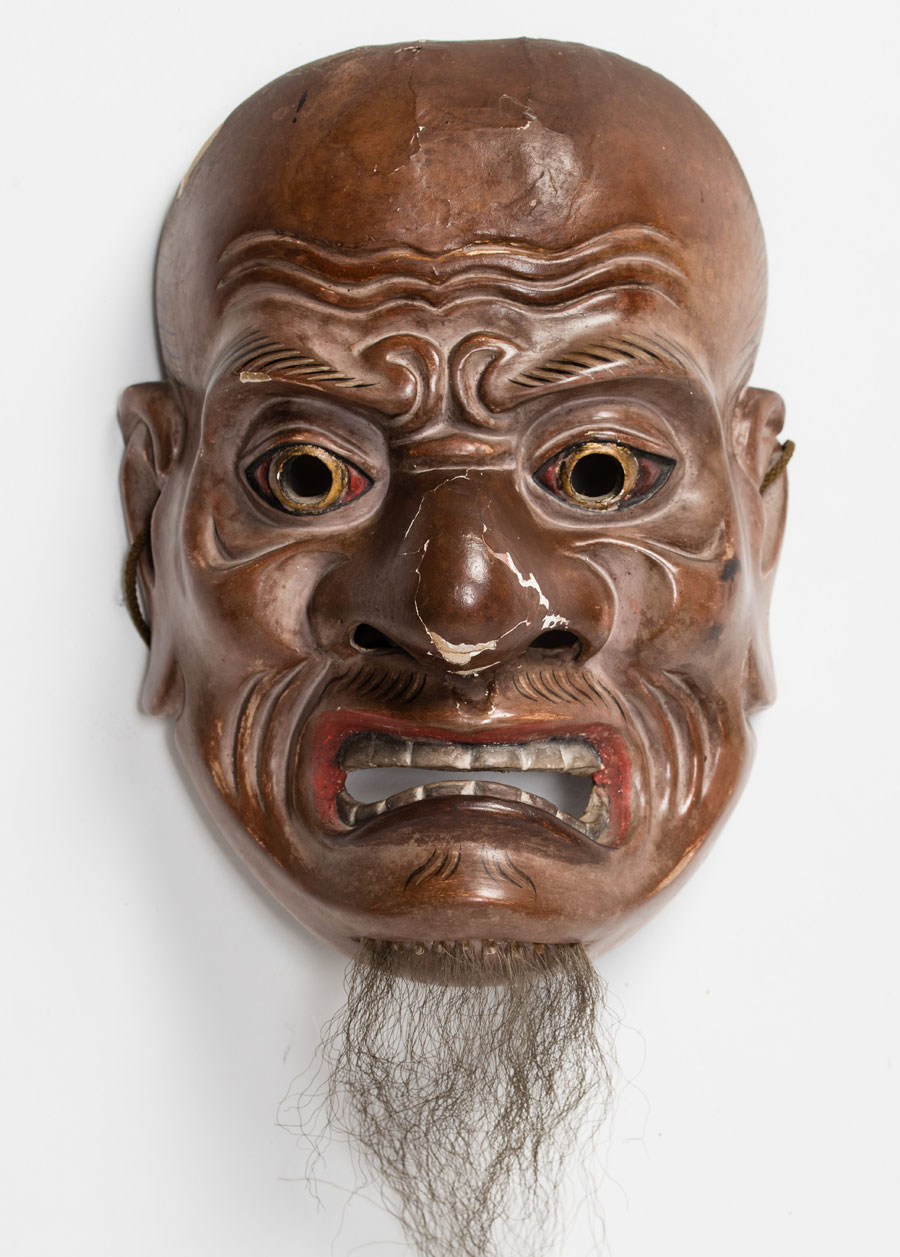
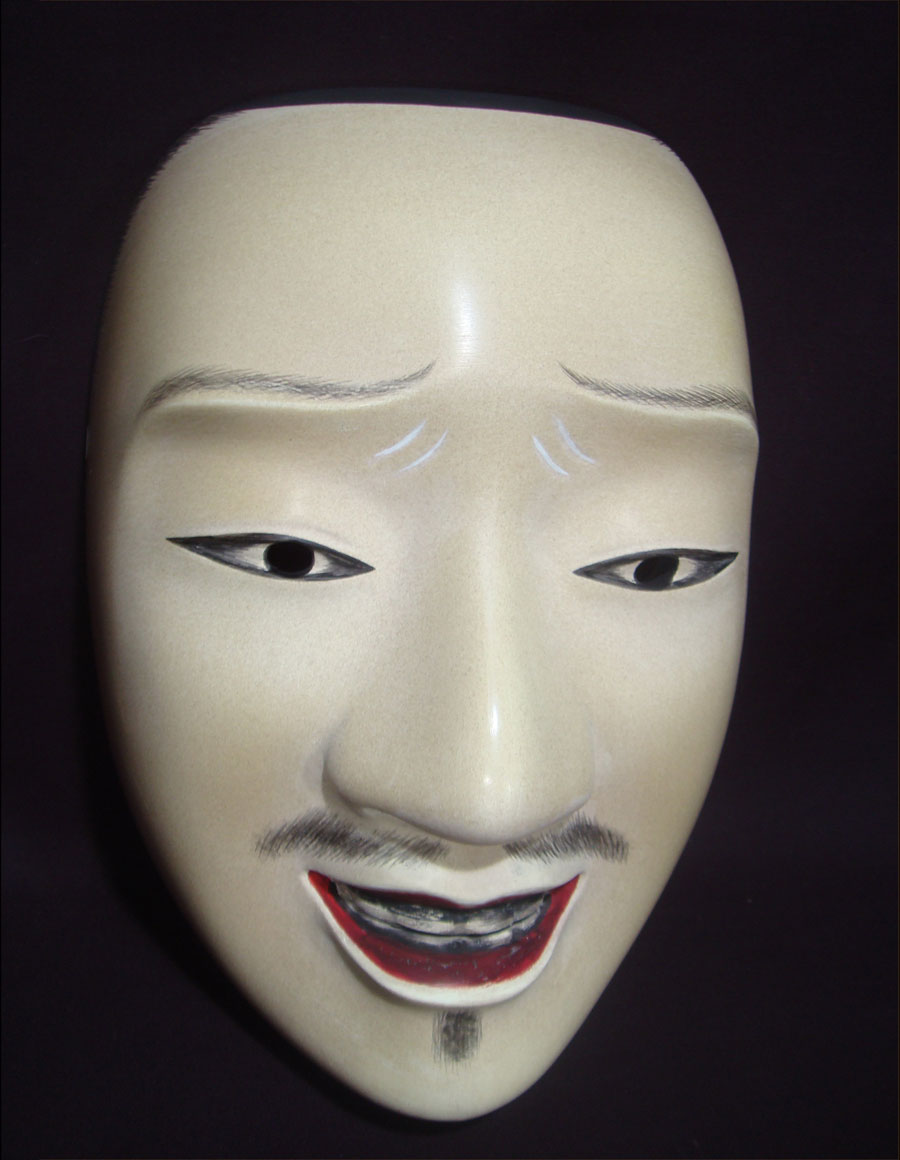
Noh and Kyogen are two of Japan's oldest and most revered performing arts, and both rely heavily on masks to portray characters, emotions, and stories. These masks, meticulously crafted from wood, showcase skills passed down through generations. The Noh mask's genius is its apparent neutrality: tilt it slightly and the expression changes entirely. The performer's movement does the emotional work. It is one of the most sophisticated theatrical devices ever invented.
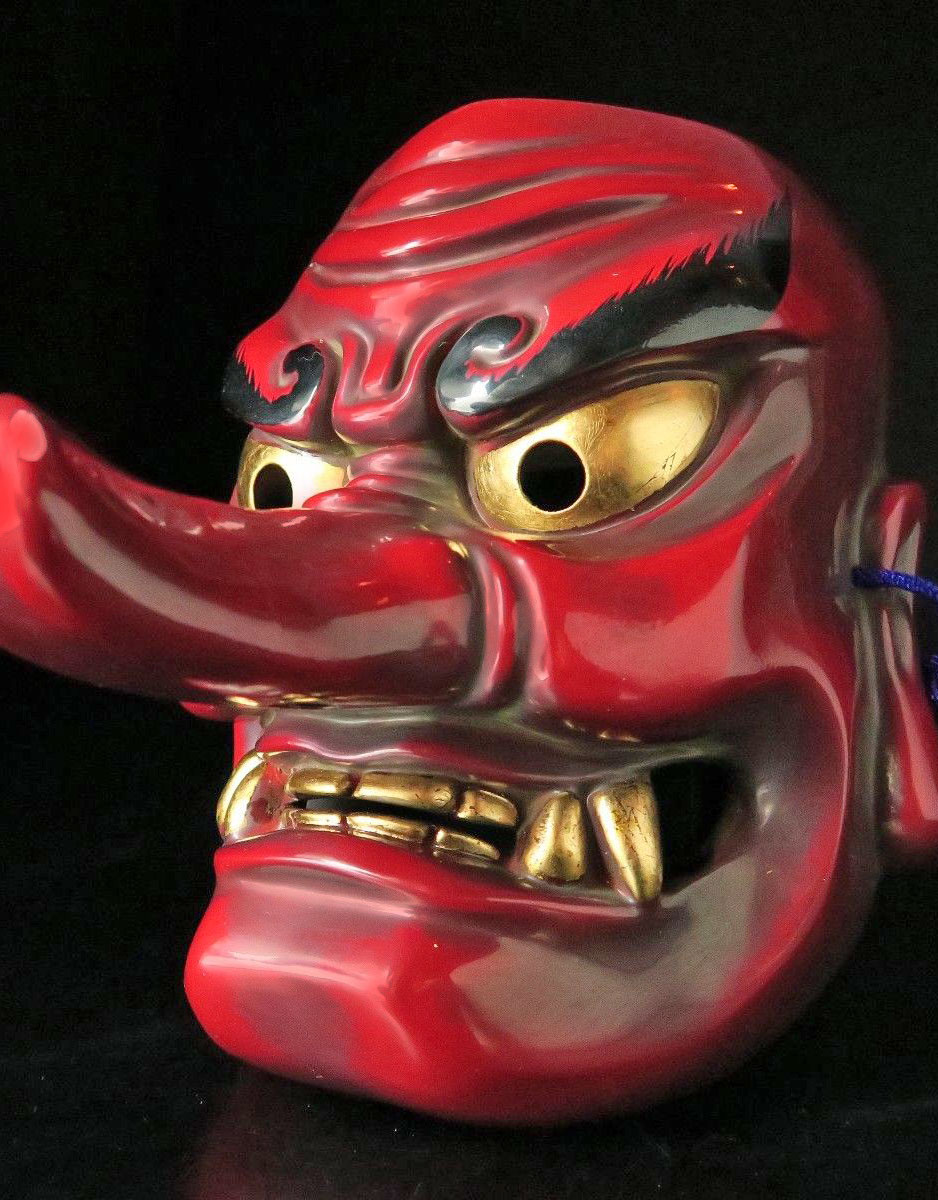
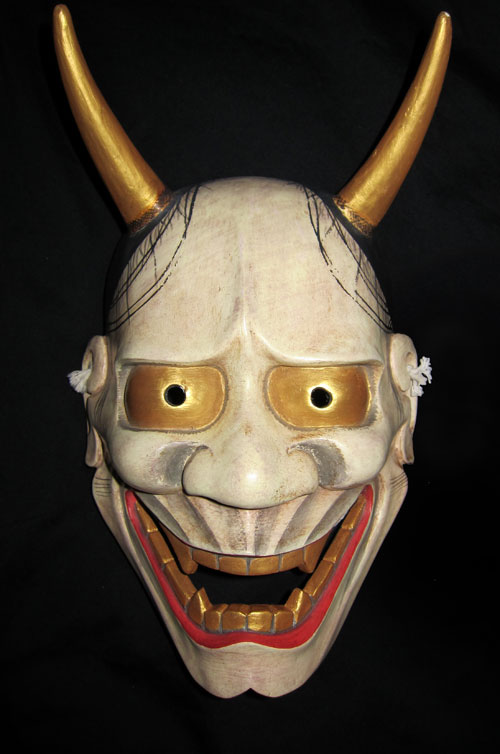
Japanese masks serve as a gateway into the country's extraordinary folklore. The Tengu, a supernatural being with a long nose, believed to inhabit mountains as both protector and trickster and the Hannya, a female demon whose jealousy transformed her into something fearsome, are among the most recognizable mask forms in the world. They are also among the most misunderstood. Understanding what these figures actually represent in Japanese belief systems changes how you look at them completely.
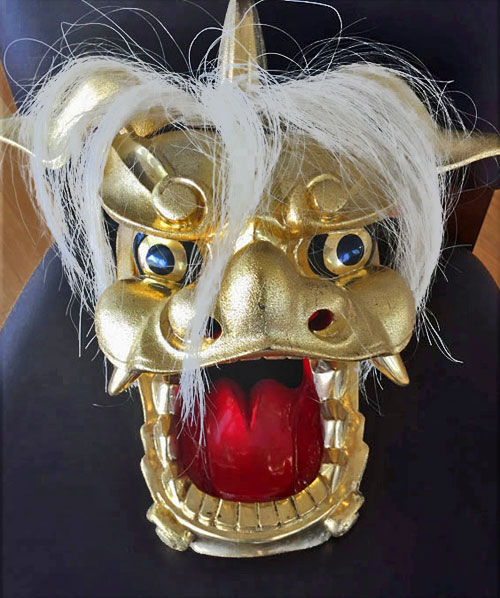
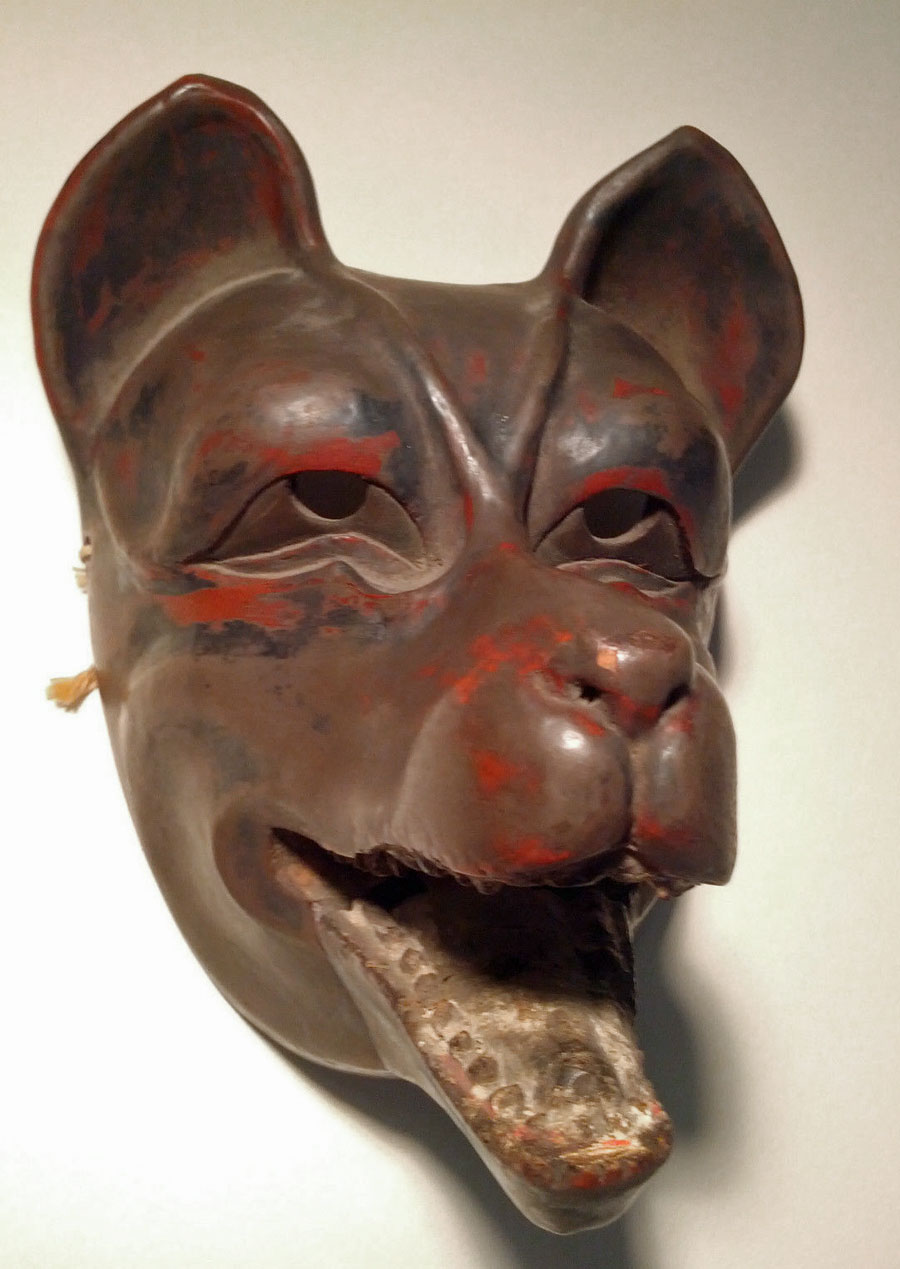
Japan's deep religious roots, primarily Buddhism and Shintoism mean that masks appear throughout ceremonial life. Kagura, the traditional Shinto dance, uses masks to represent gods, spirits, and mythical creatures. Certain Buddhist rituals incorporate masks to personify deities. The fox mask used in sacred Kagura shrine festivals, for instance, is a fundamentally different object from a decorative fox mask, same form, completely different meaning. Knowing the difference is the whole game.
A selection from Troy's collection, the blog and field research. Click any mask to view full size with cultural notes.
The genius of the Noh mask is its apparent neutrality. Crafted from hinoki cypress wood, lacquered and painted with extraordinary precision, they are designed to show almost nothing. And yet, tilt the mask slightly downward and the character appears to grieve. Tilt it upward and she brightens. The expression exists in the relationship between light, angle, and movement. The performer does not wear the mask. The performer becomes it.
"These expressionless masks are utilized in Noh theater. However, performers skillfully employ subtle and delicate movements to unveil the concealed emotions intricately carved into each mask."
This is what makes Japanese masks genuinely difficult to assess as a collector and genuinely rewarding to understand. The surface tells you almost nothing. The history, the school, the carver, the specific tradition, that's where the value lives.
Troy has identified Noh masks, Kagura pieces, Tengu figures, and everything in between. Send a photo and a question and get a real answer.