From the collection
The masks click to explore.
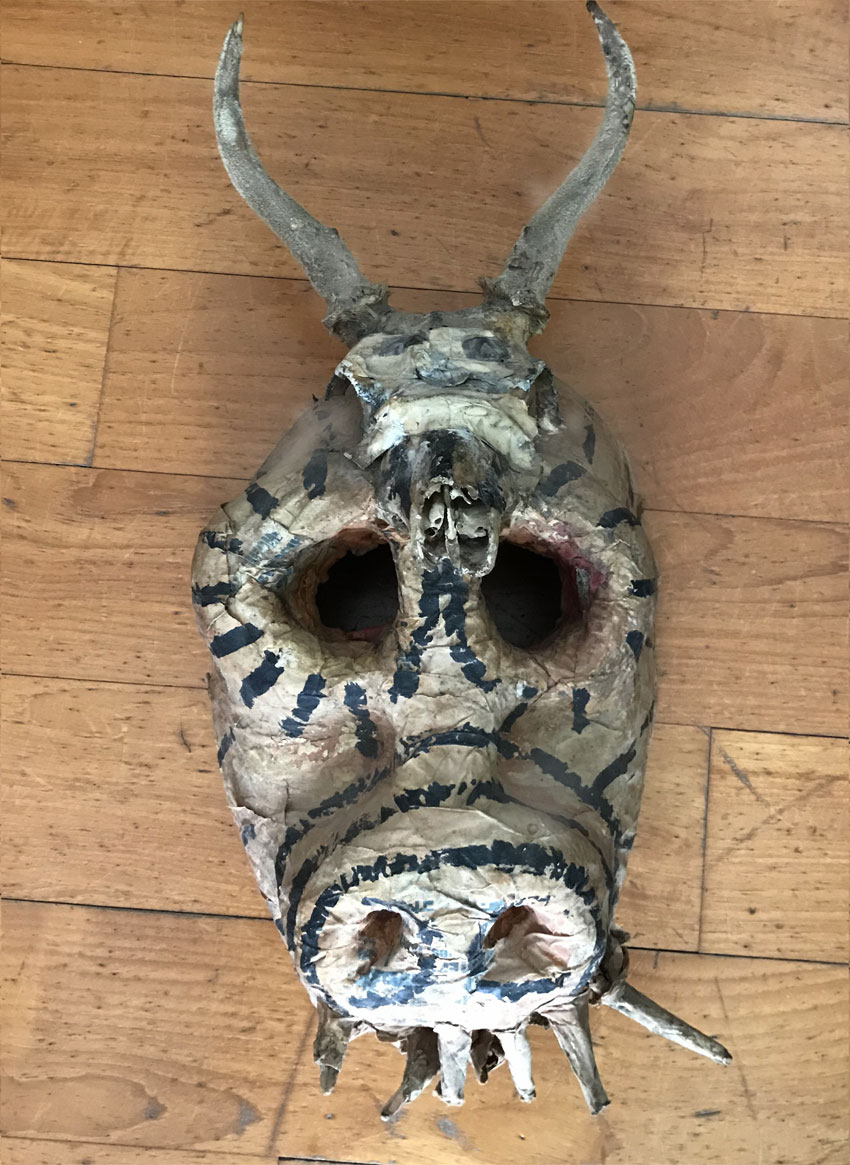
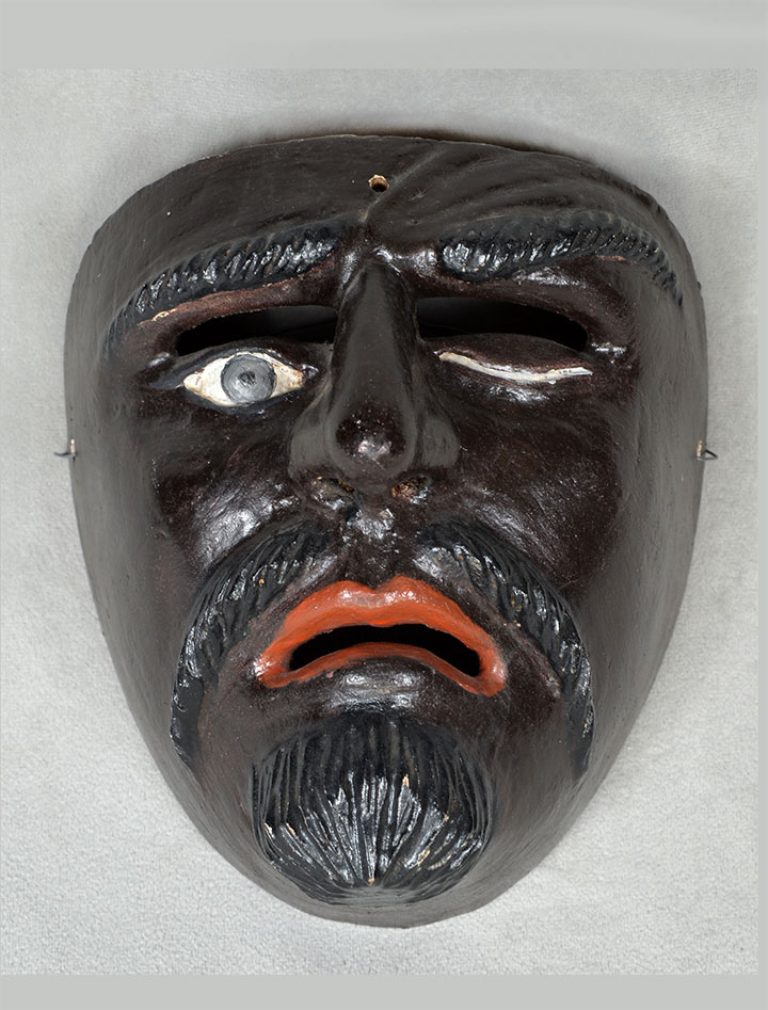
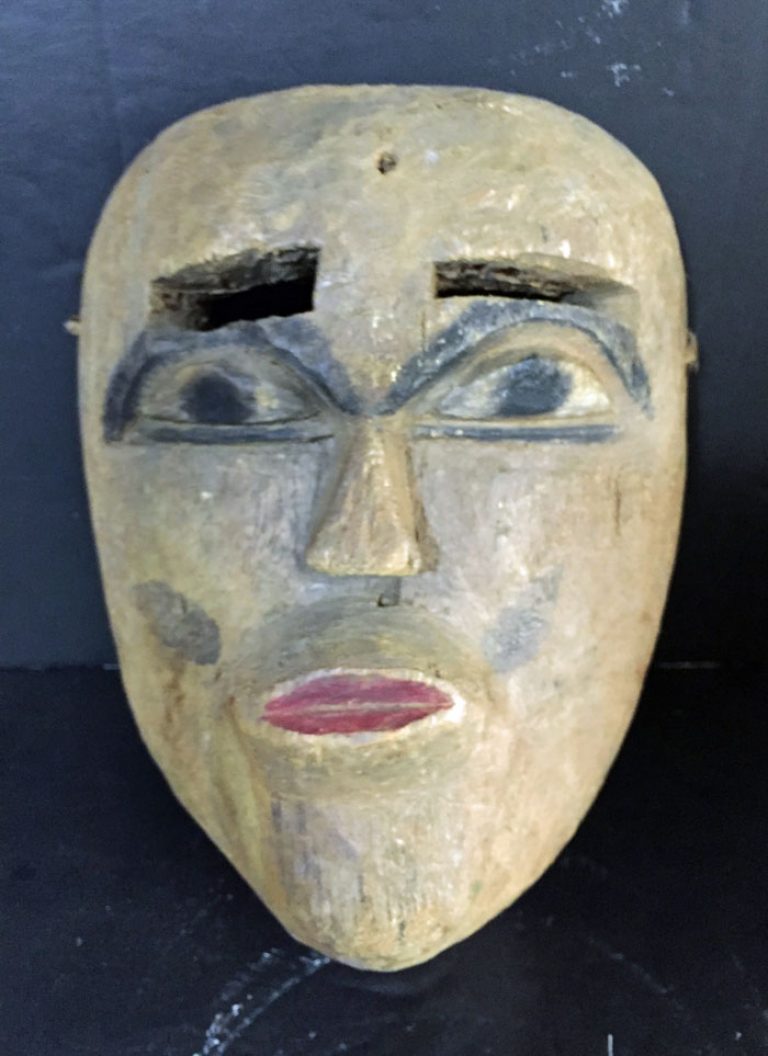
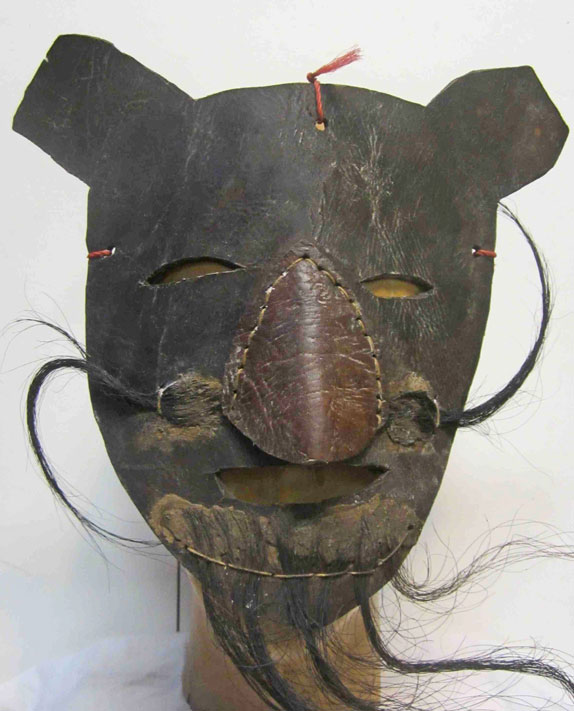
A selection from Troy's collection, the blog and field research in Oaxaca and across Mexico. Click any mask to view full size with cultural notes.
Troy's backyard. A living tradition that still dances. Thousands of years of mask-making that runs straight from the Olmecs and Aztecs to the Oaxacan market stall Troy was on a Tuesday.
Mexican masks have been admired and coveted by collectors worldwide for good reason. These handcrafted pieces embody the rich cultural history of Mexico while remaining alive in a way that many ancient traditions are not. These masks are still being made. They are still being worn. They are still dancing.
The tradition of mask-making in Mexico can be traced back to the ancient civilizations of the Olmecs, Mayans, and Aztecs, cultures that used masks for ceremony, religion, and performance. Today, that tradition continues in indigenous communities across the country, practiced by artisans who learned from their parents, who learned from their parents, in an unbroken line stretching back further than most countries have existed.
Mexico is Troy's home base. He lives in Oaxaca part of the year, conducts original fieldwork on Zapotec culture, and sources masks through relationships built over a decade of showing up to the same markets, the same villages, the same festivals. This is not academic knowledge. It is ground-level knowledge.
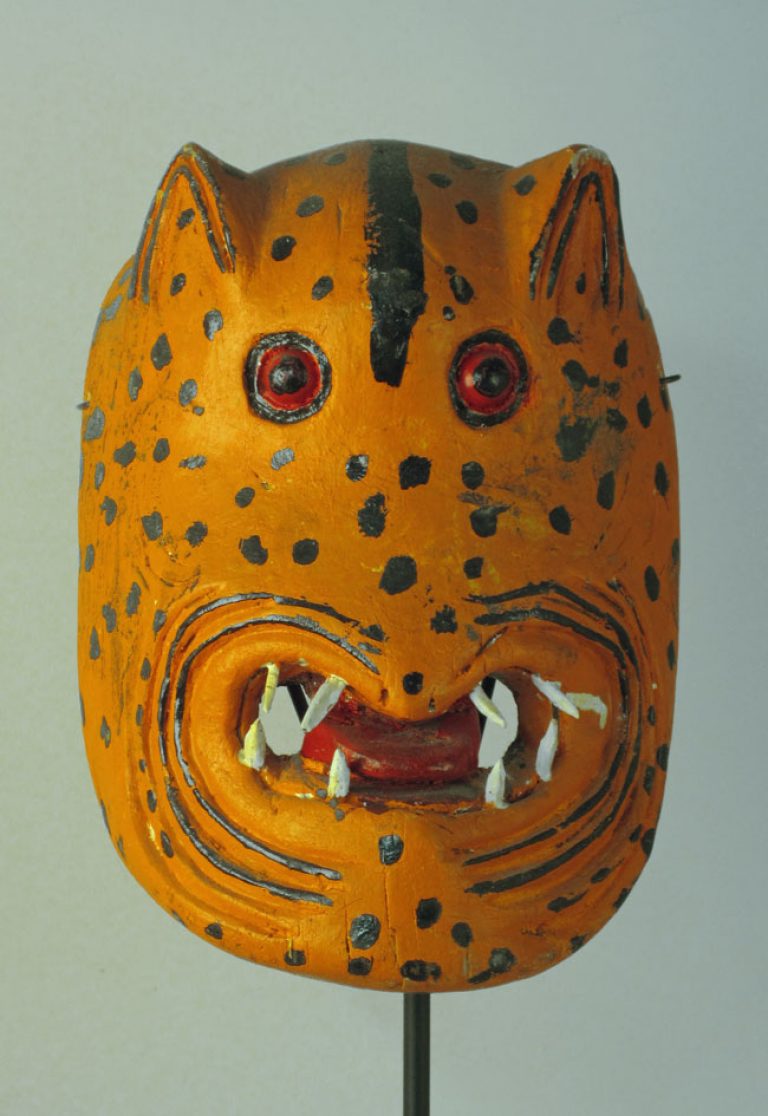
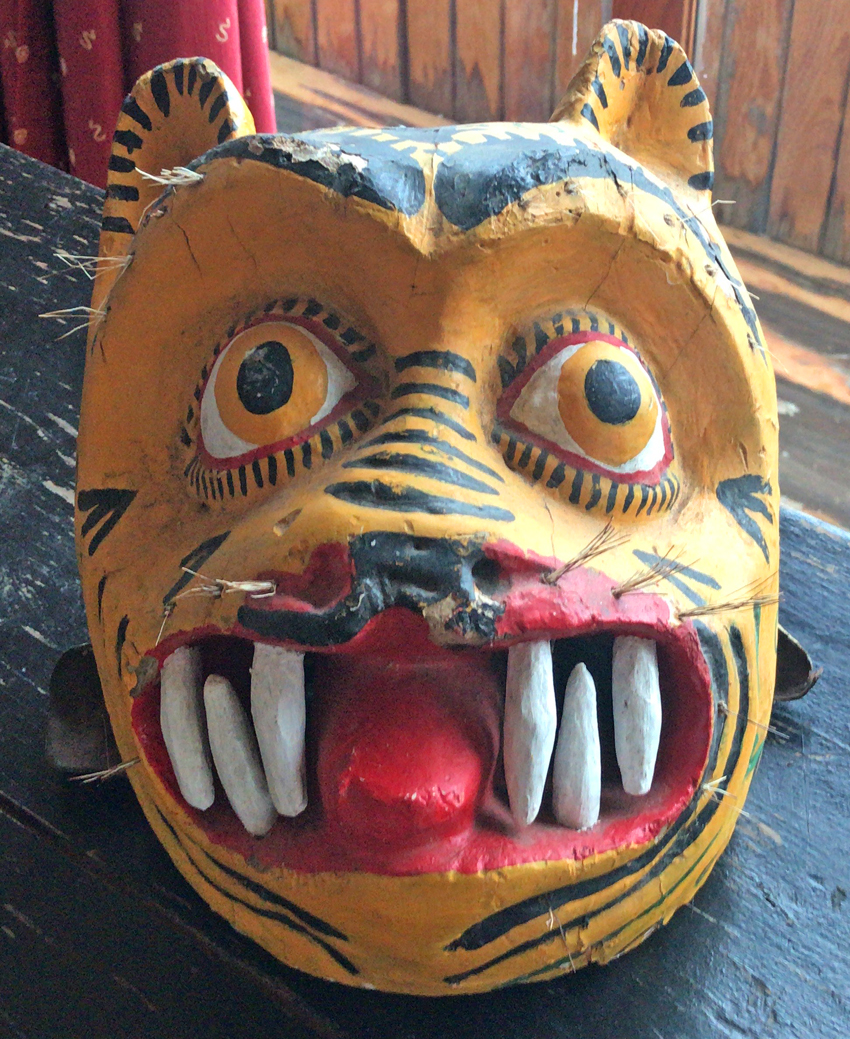
"The Oaxacan Tigre mask is designed to be worn on the crown of the head, not over the face. I have watched collectors buy these at markets without the faintest idea how they're worn or that the dance they belong to is still performed in villages thirty minutes from where they're standing."
- Troy Yohn, OaxacaThat gap between what a mask looks like and what it means, that's what this section is for.
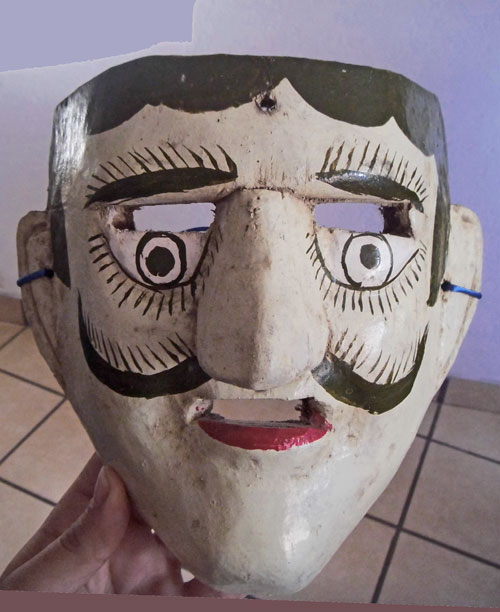
Mexican masks are inseparable from dance. The Dance of the Old Men, the Dance of the Deer, the Dance of the Devils — these performances happen at religious celebrations and annual festivities across the country every year. When you collect a Mexican dance mask you are not collecting a historical artifact. You are collecting a piece of something that is still moving. That distinction matters more than most collectors realize.
Mexican artisans work in wood, leather, papier-mache, and clay, often combining materials in ways unique to their specific village or family tradition. Each mask can take days to weeks to complete. Some carvers, like Teodoro Tacuepian Galvan of Tatoxca, who began carving later in life and developed a style so distinct that buyers came from surrounding areas just to find his work, become regional masters with identifiable hands. Learning to recognize these makers is part of the deep game of collecting.
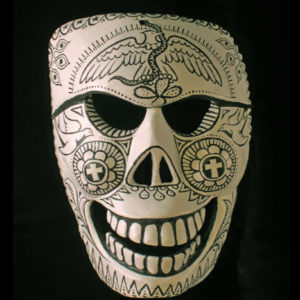
Mexican masks represent gods, mythological creatures, animals, ancestral spirits, historical figures, and colonial archetypes. The Tigre represents the jaguar, a pre-Columbian symbol of power and the underworld. The Moor mask reflects the colonial history of the Spanish Reconquista imported into indigenous dance. The skull connects living and dead in ways that the Day of the Dead has made globally recognizable but which go far deeper than tourist markets suggest. Every symbol has a story. Most collectors only scratch the surface.
Many of the most significant mask-making traditions are still practiced by indigenous communities, Cora, Zapotec, Nahua, Mixtec, who maintain their techniques and ceremonial contexts as living culture, not museum pieces. The Cora community, for instance, traditionally destroys their papier-mache masks after Semana Santa, which makes any surviving Cora mask from those ceremonies genuinely rare and significant. Knowing which community made a mask, and why, transforms how you see it.
A selection from Troy's collection, the blog and field research in Oaxaca and across Mexico. Click any mask to view full size with cultural notes.
Mexico produces more mask-adjacent tourist objects than almost any country in the world. The markets are full of them, beautifully made, vibrantly painted, and completely disconnected from any ceremonial tradition. They are souvenirs. That is fine, if you know that's what you're buying.
The problem comes when collectors mistake tourist production for ceremonial pieces. The difference is not always obvious to the eye, which is exactly why understanding context matters so much in this region. A tourist mask and a dance mask can be made by the same carver, in the same village, in the same week. One has danced. One has not.
"I can walk through a Oaxacan market in twenty minutes and tell you which pieces came from actual ceremonies and which were made for the tourist trade. The visual difference is subtle. The contextual difference is everything."
— Troy Yohn, OaxacaAsk us what's real, what's ceremonial, and what's made for tourists.