From the collection
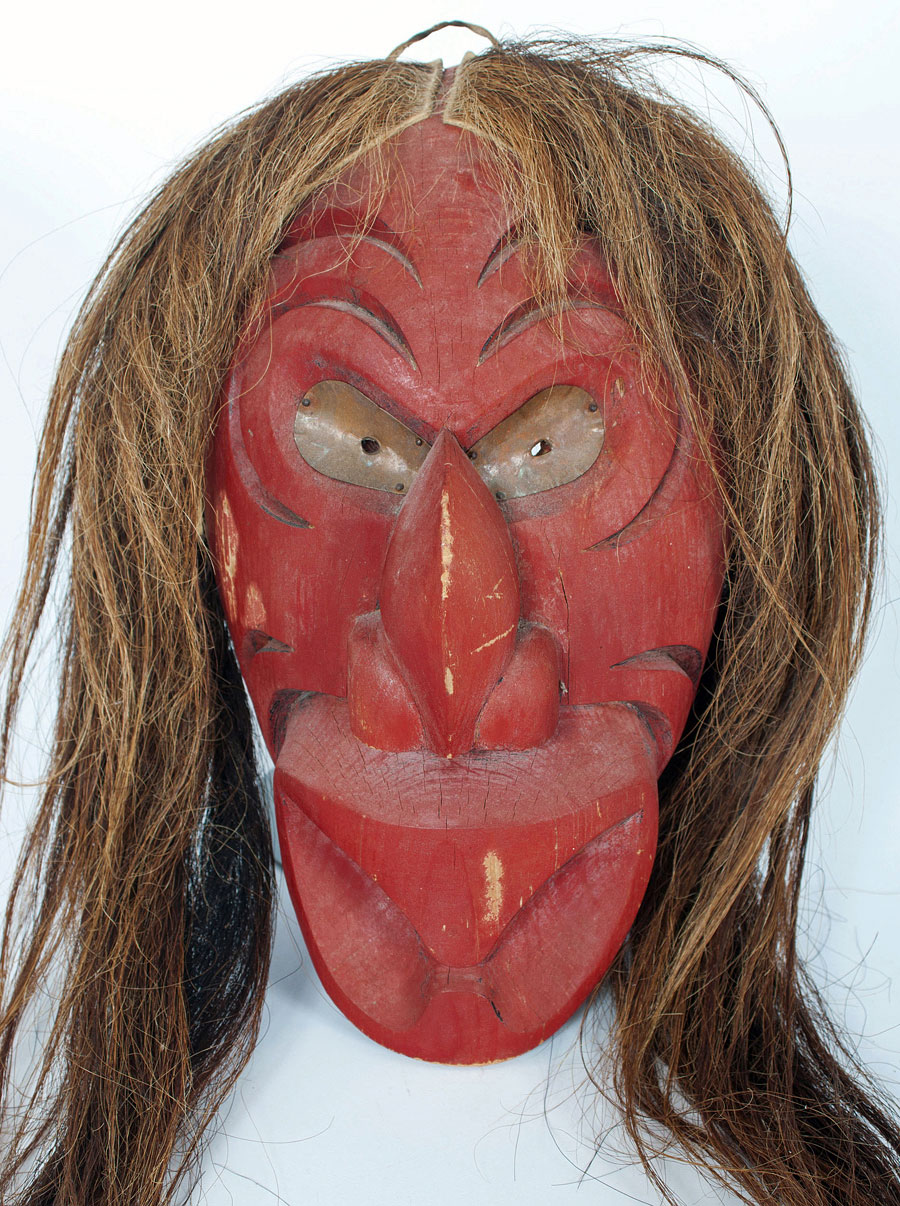
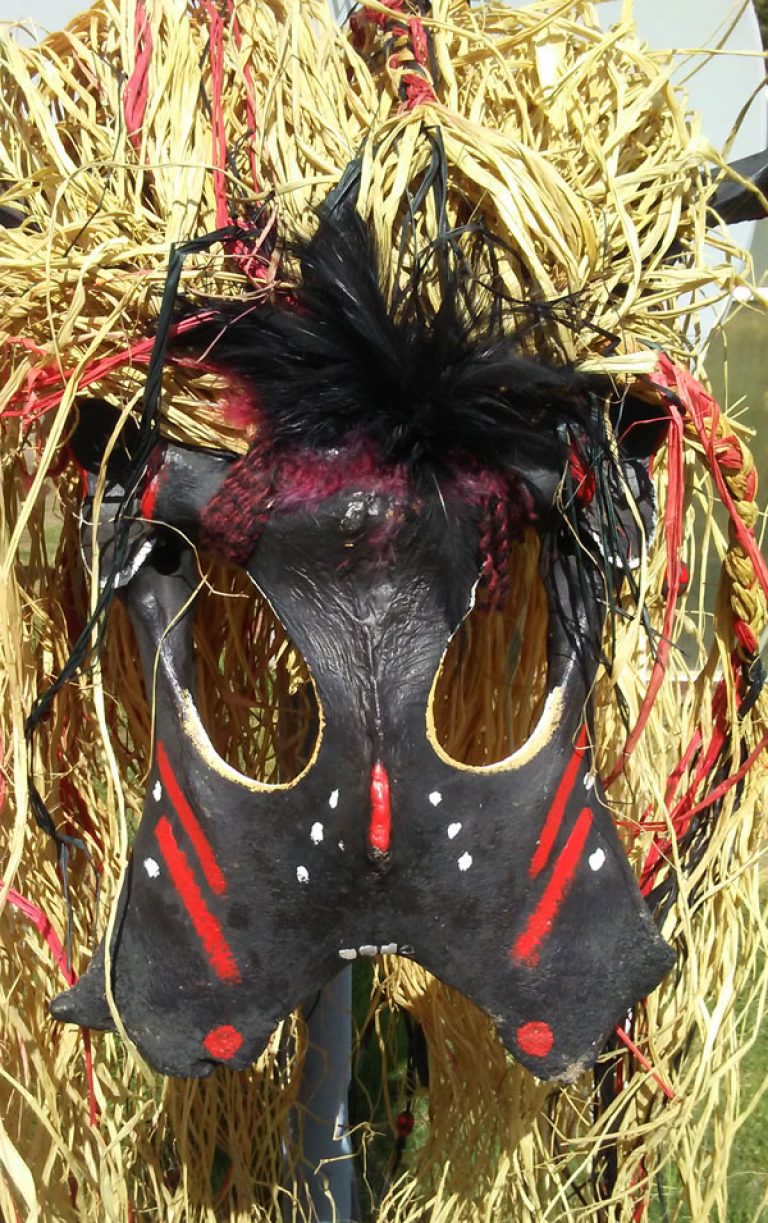
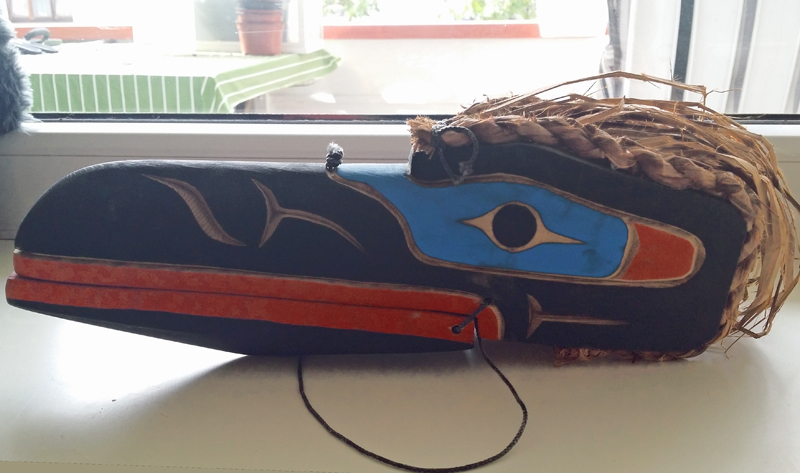
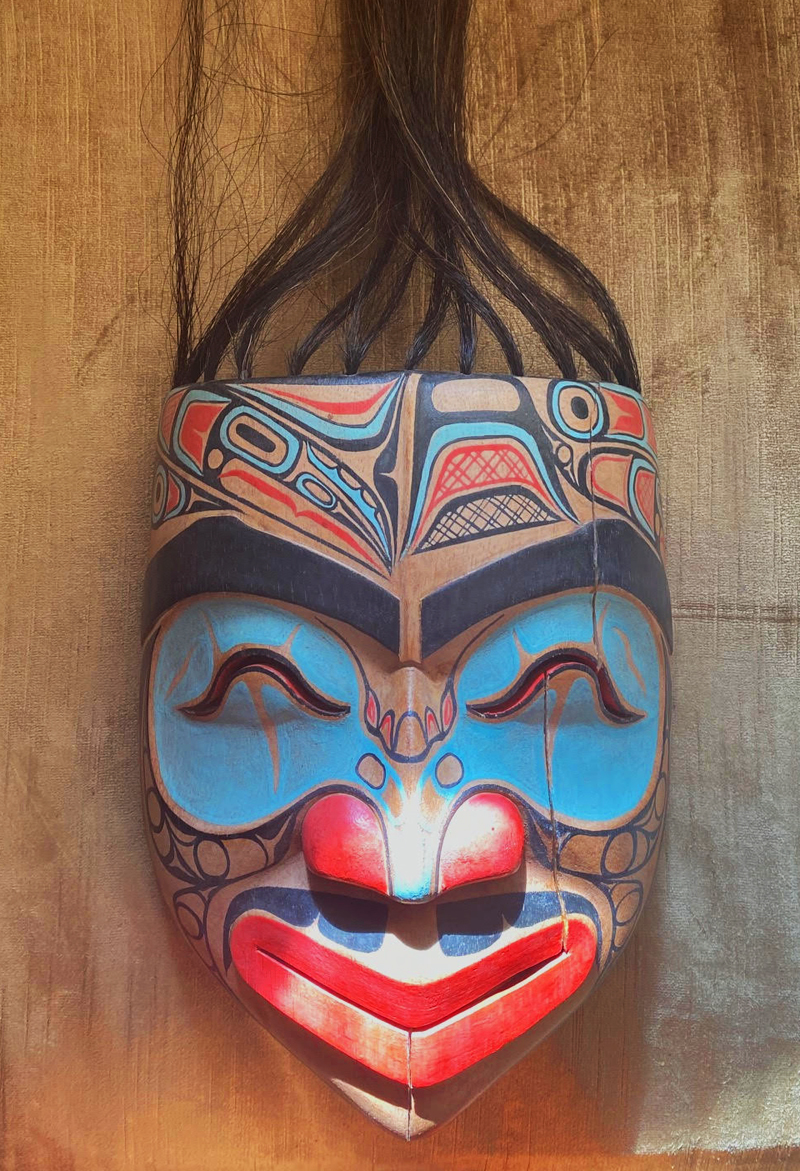
The masks click to explore.
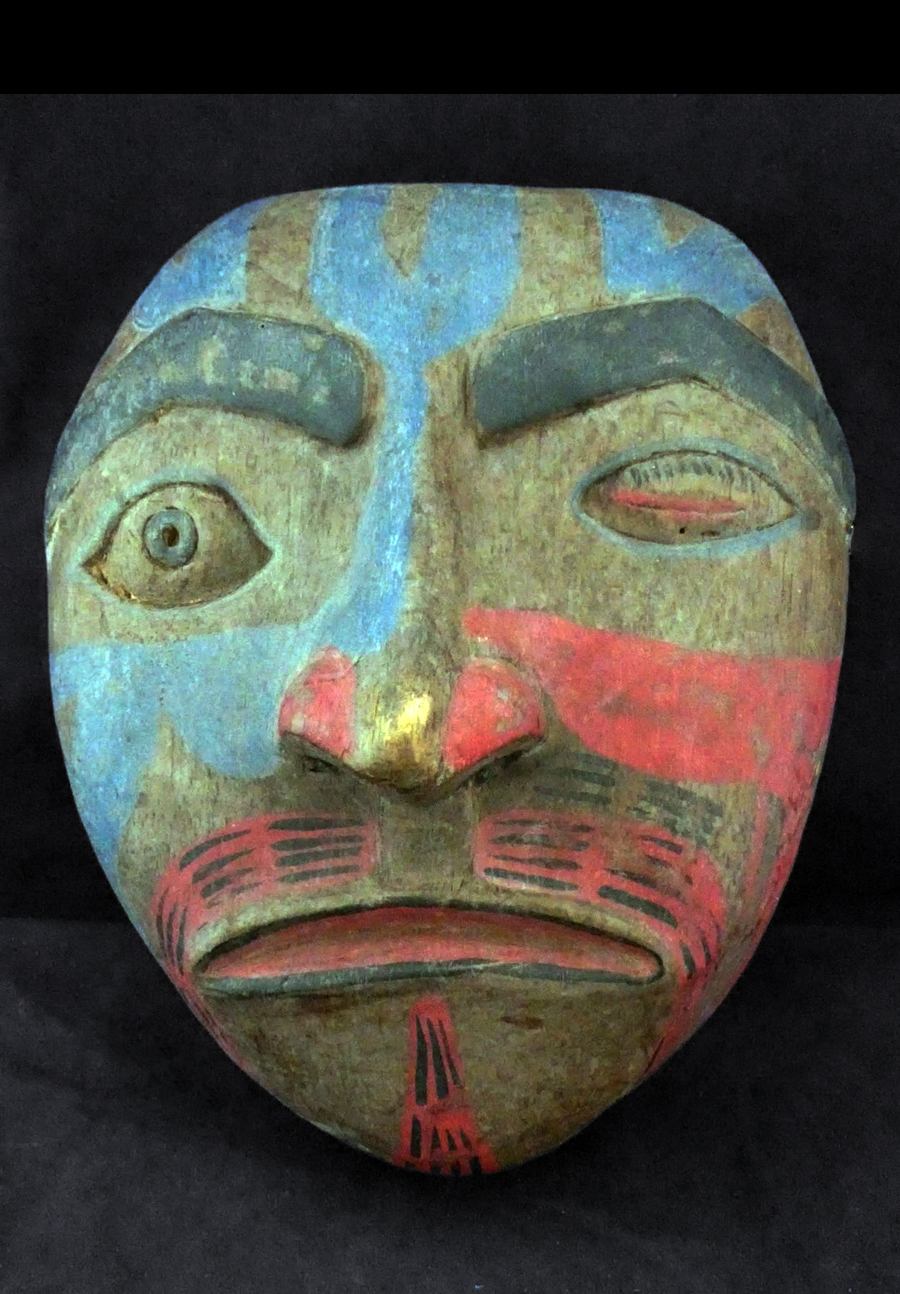
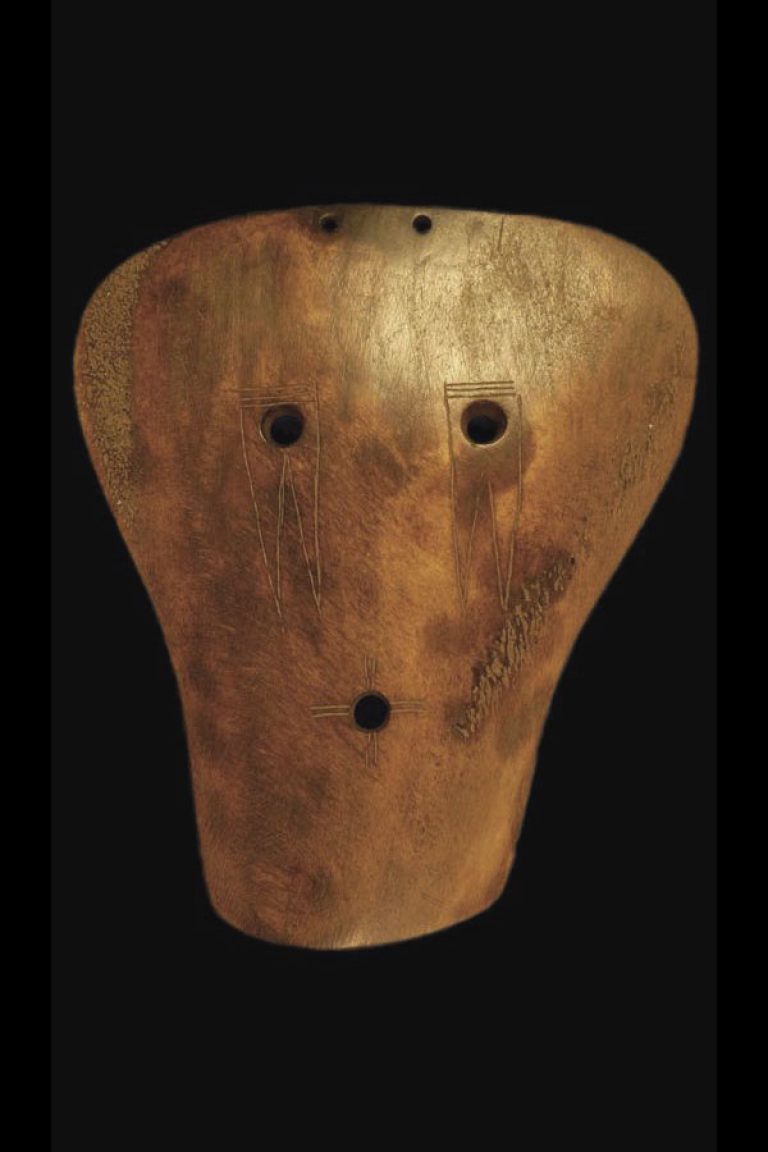
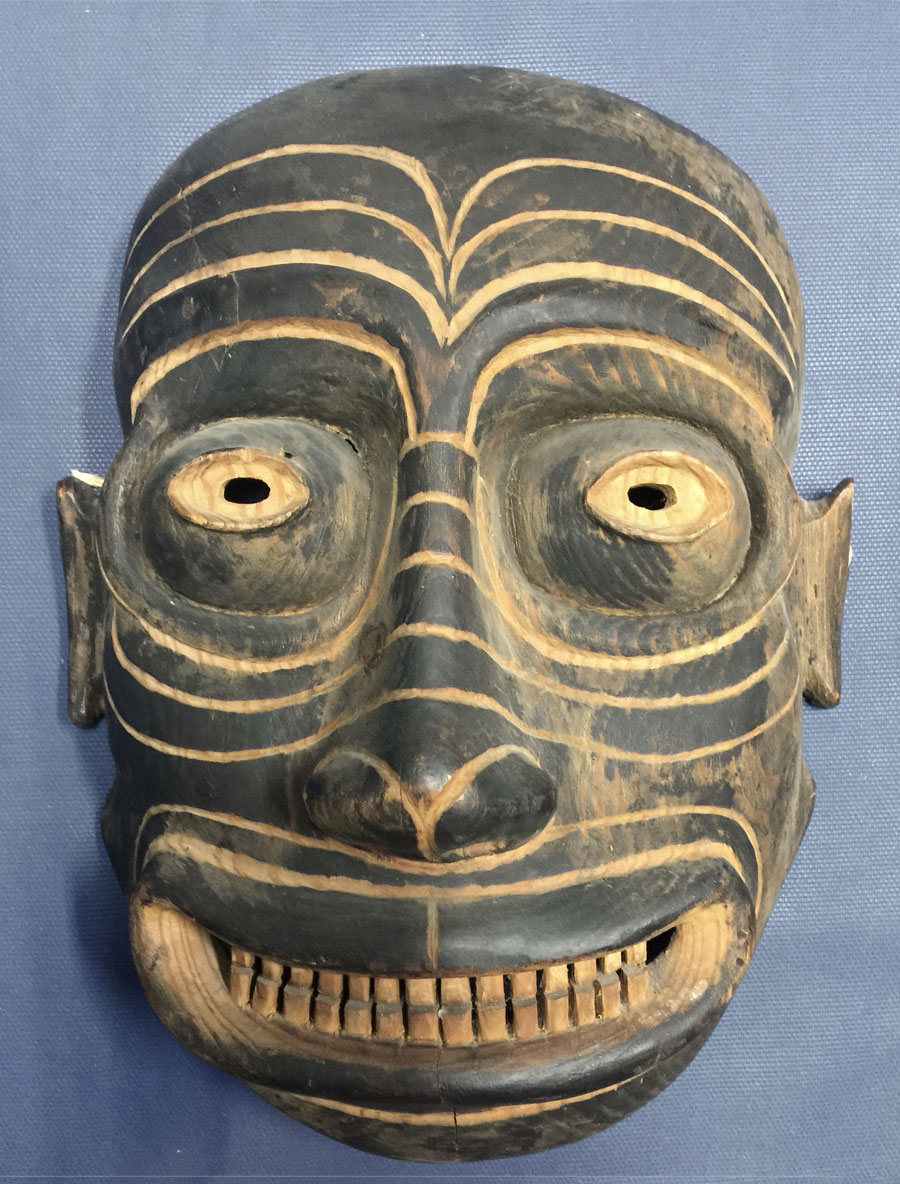
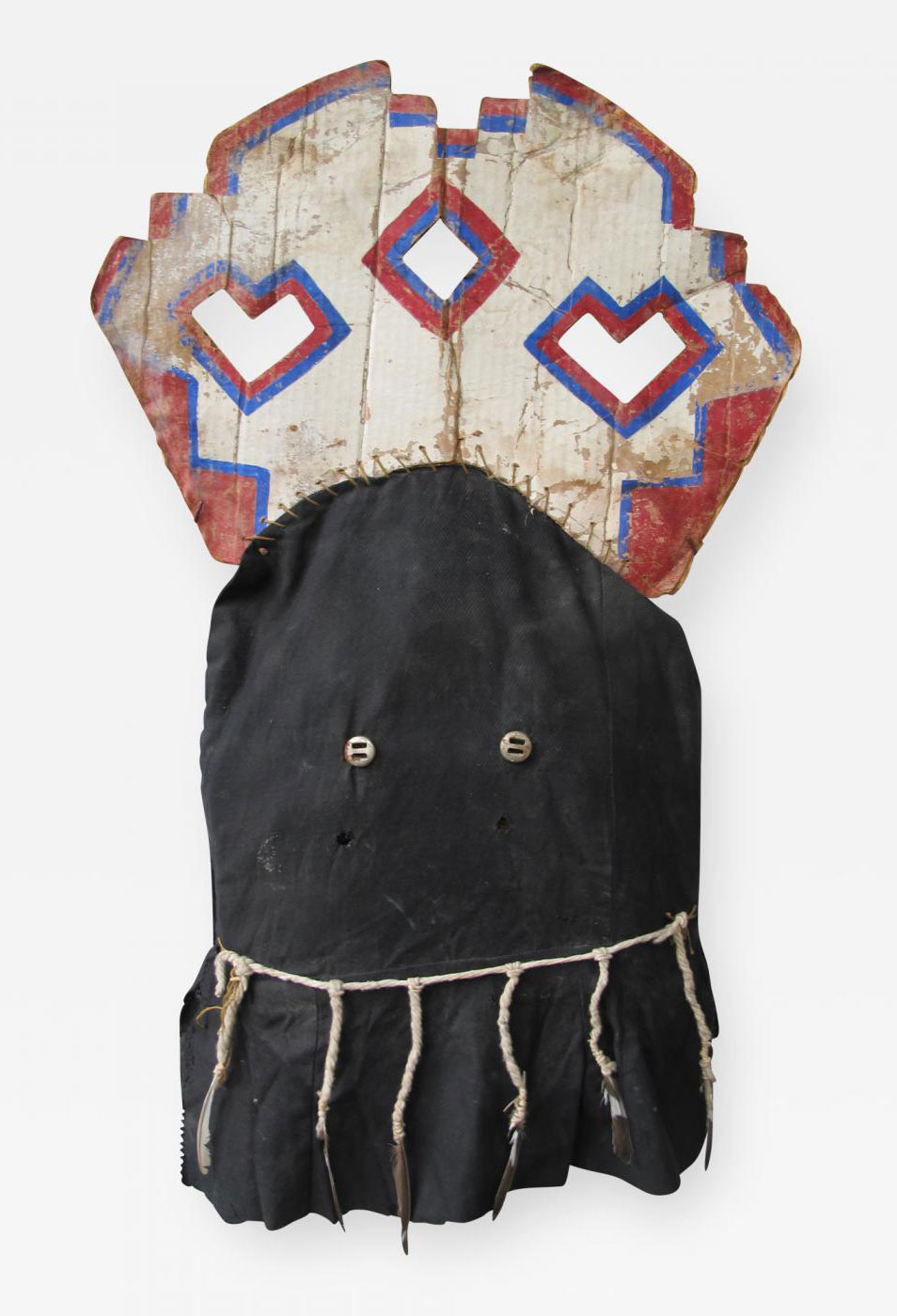
A selection from the blog. Click any mask to view full size with cultural notes.
One of the most spiritually significant and legally complex collecting categories in the world. Extraordinary artistry, deep cultural roots, and a landscape that rewards serious collectors who take the time to understand what they're looking at.
Before you buy anything in this category, read this: The Indian Arts and Crafts Act makes it illegal in the United States to misrepresent the tribal origin of artwork. Many tribes also consider specific ceremonial masks sacred objects that should not be in private collections at all. This is not a reason to avoid the category, it is a reason to approach it with the knowledge and respect it deserves. The information on this page will help you do that.
Native American masks have long captivated collectors and enthusiasts with their unique designs, spiritual depth, and connections to the Indigenous peoples of North America. These are not decorative objects from a single unified culture. They are expressions of hundreds of distinct nations, each with its own language, artistic tradition, belief system, and relationship to the natural world.
The Northwest Coast traditions, Haida, Tlingit, Kwakwaka'wakw, produce some of the most technically sophisticated woodcarving in human history. The Iroquois False Face Society uses masks in healing ceremonies that are still practiced today. The Inuit carve masks that reflect a cosmological relationship between humans and animals fundamentally different from any other tradition on earth. The Apache Gaan dancer mask connects the physical and spiritual worlds in ways that took Troy years of study to begin to understand.
This breadth is what makes Native American mask collecting so rewarding and so demanding. You cannot approach it casually. The more you learn about a specific nation's tradition, the more you see in even a single piece. The collectors who do best in this category are the ones who chose depth over breadth: one or two nations studied seriously over years, not a shelf of objects from across the continent.
The Northwest Coast nations, Haida, Tlingit, Kwakwaka'wakw, Tsimshian, produce mask traditions of extraordinary technical and artistic sophistication. The transformation mask, which opens to reveal a second face within, is one of the most complex physical objects in the history of art. Raven, Eagle, Bear, and Killer Whale appear across traditions as clan crests rather than mere animal representations. Learning to read Northwest Coast iconography takes years and is worth every moment of it.
Inuit masks, from Alaska, Canada, and Greenland, reflect a shamanic worldview in which the boundaries between human and animal, living and spirit, are fluid and negotiable. The shaman's mask allowed communication between worlds. The King Island Inuit tradition produced masks of particular power and rarity. Greenlandic Inuit masks are among the most documented, which makes provenance research more tractable than in many other categories. These are serious collector objects, rare, culturally profound, and historically significant.
Many Native American mask traditions are not historical. They are alive. The Iroquois False Face Society continues to use masks in healing ceremonies. The Apache Gaan dancers still perform. The Hopi Kachina tradition remains an active ceremonial practice. This aliveness is what makes these traditions remarkable and what demands the most care from collectors. Some objects were never meant to leave their communities. Understanding which ones those are, and why, is not optional knowledge for a serious collector in this category.
A selection from the blog. Click any mask to view full size with cultural notes.
This is not a reason to avoid Native American masks. It is a reason to approach them with more knowledge than you would bring to any other category. The collectors who navigate this landscape successfully are the ones who put in the time to understand it.
The Indian Arts and Crafts Act is federal law. It prohibits the misrepresentation of the tribal or Indian origin of artwork sold in the United States. For collectors, this means that provenance — knowing where a piece actually came from, when, and through what chain of ownership — is not optional. It is a legal and ethical requirement.
Beyond legality, many tribes have formal positions on the repatriation of ceremonial objects and have pursued legal action to recover pieces held in museums and private collections. Understanding which categories of objects are considered communal sacred property by specific nations and avoiding those, is simply part of collecting in good faith.
This is the category where getting it right matters most, culturally, legally, and as a collector. Troy has studied specific North American traditions for years. Send a photo and a question.