From the collection
The masks click to explore.
A selection of masks from Colombia and the surrounding region. Click any mask to view full size with cultural notes.
Our other home base. Colombia is where Paula is from, where the team operates, and where some of the most extraordinary and underappreciated indigenous mask traditions in the Americas exist, from the Amazon basin to the Orinoco river system to the pre-Columbian gold rooms of Bogotá.
Colombia is home to an extraordinary range of indigenous peoples, over 80 distinct ethnic groups, each with their own language, artistic tradition, and ceremonial practice. Their mask-making traditions vary dramatically in style, material, and function depending on whether you are in the Amazon basin, the Orinoco river system, the Andes highlands, or the Caribbean coast. This is not one tradition. It is dozens of traditions in one country.
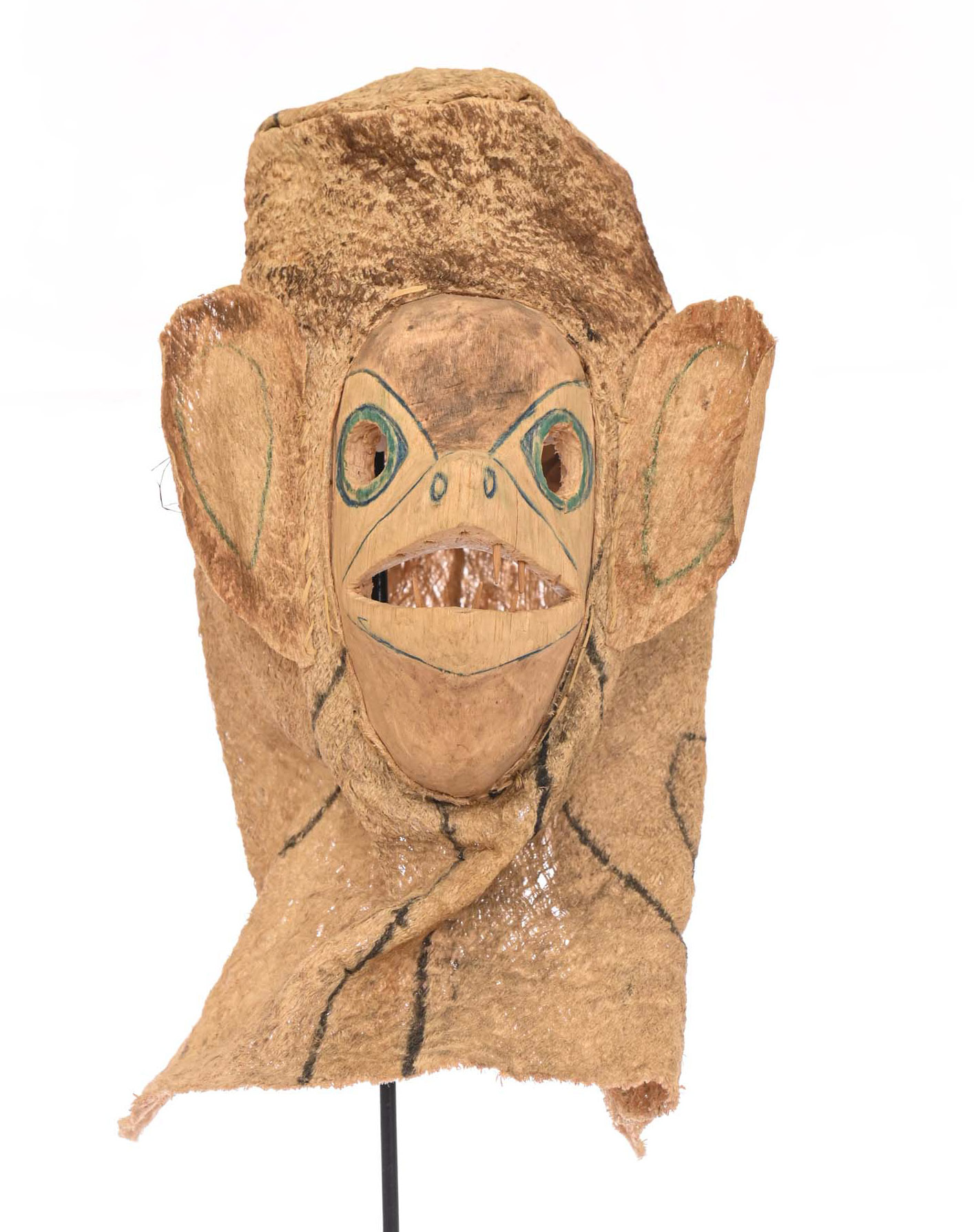
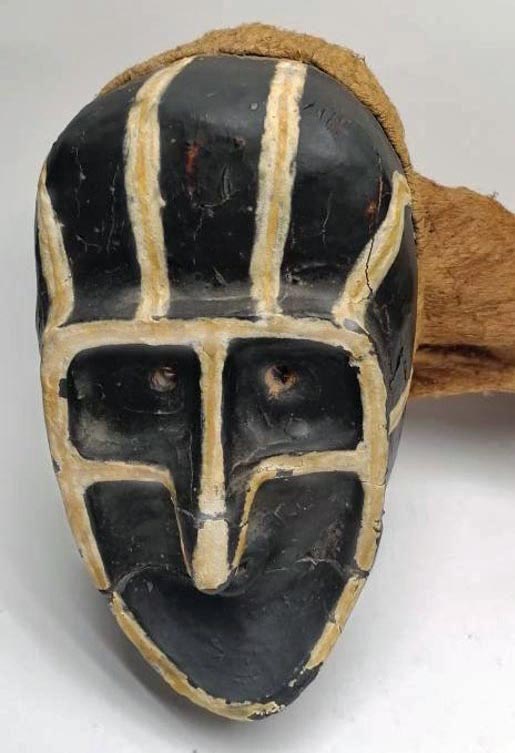
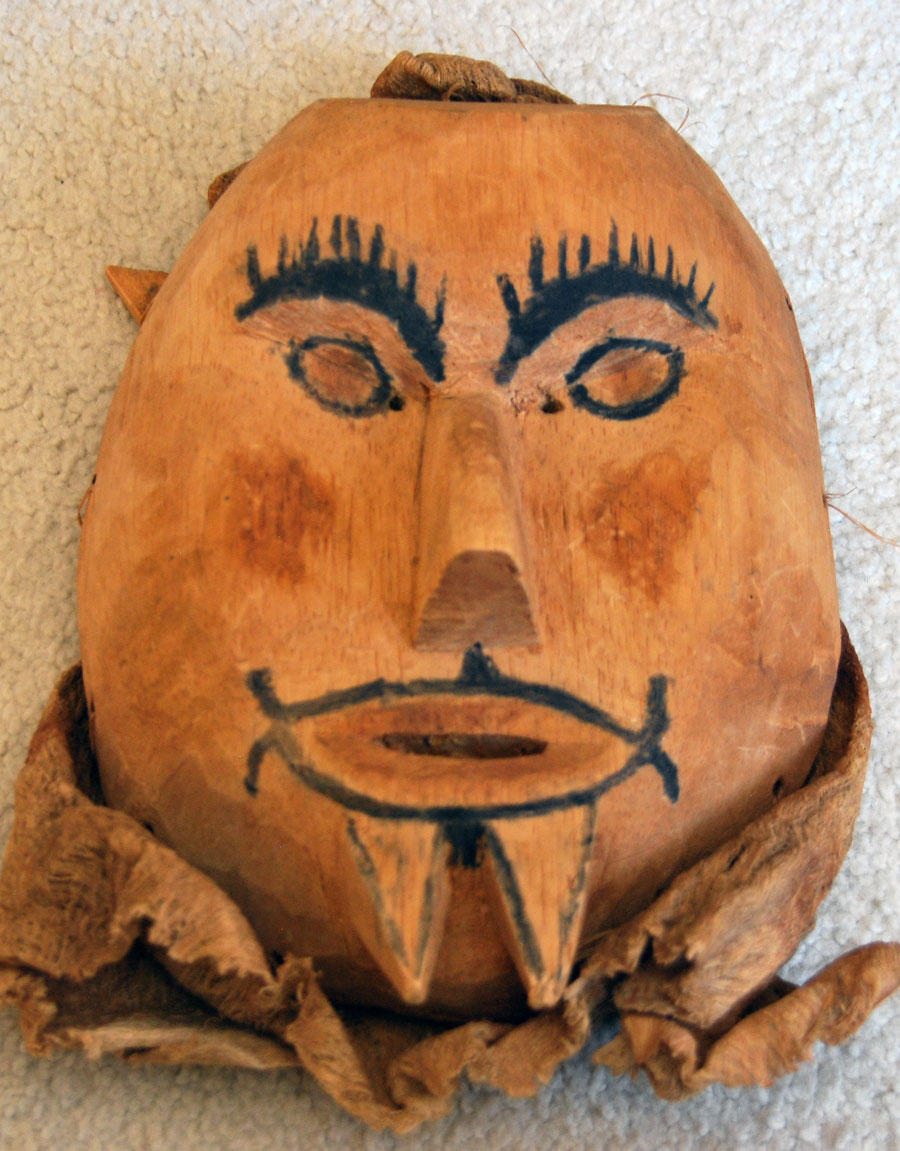
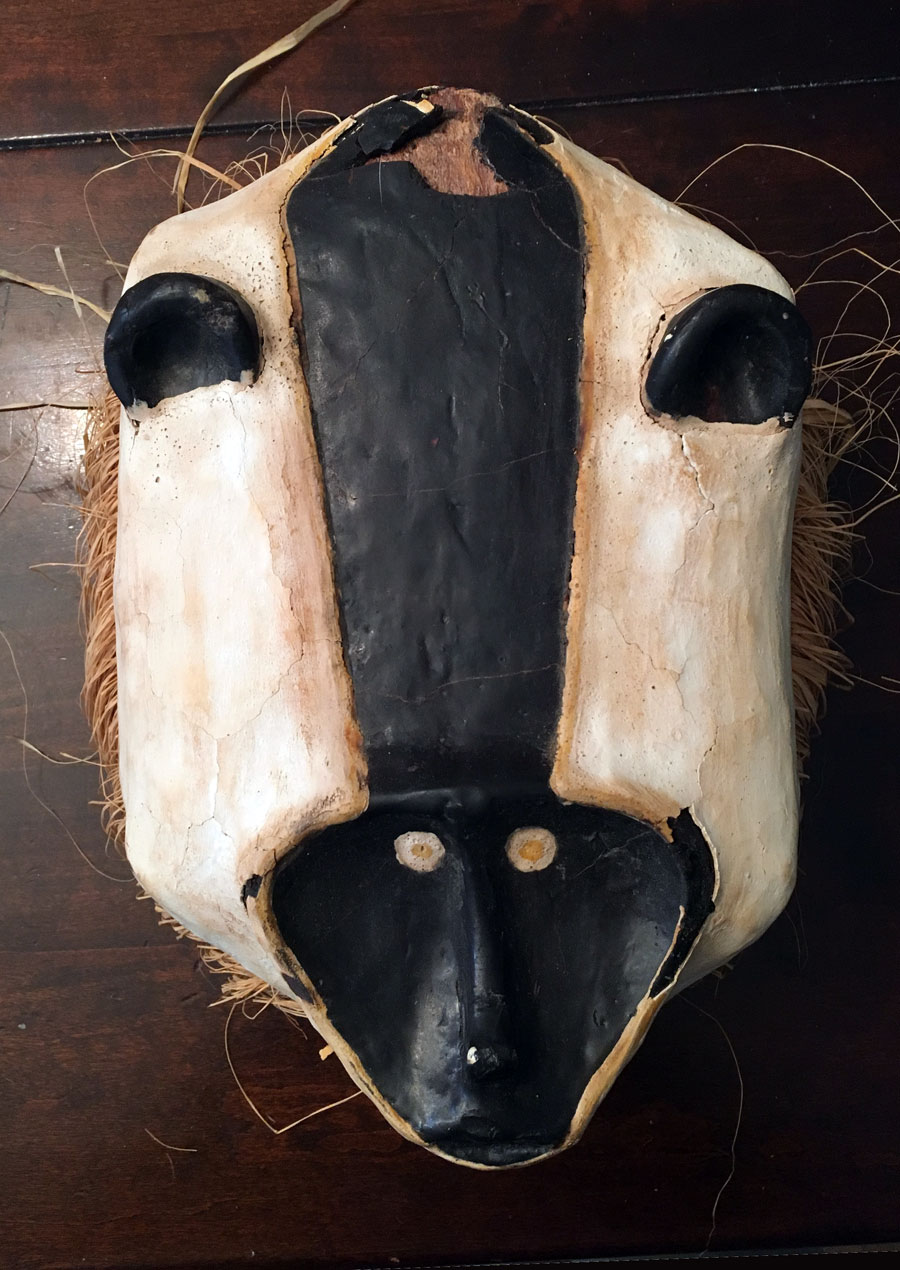
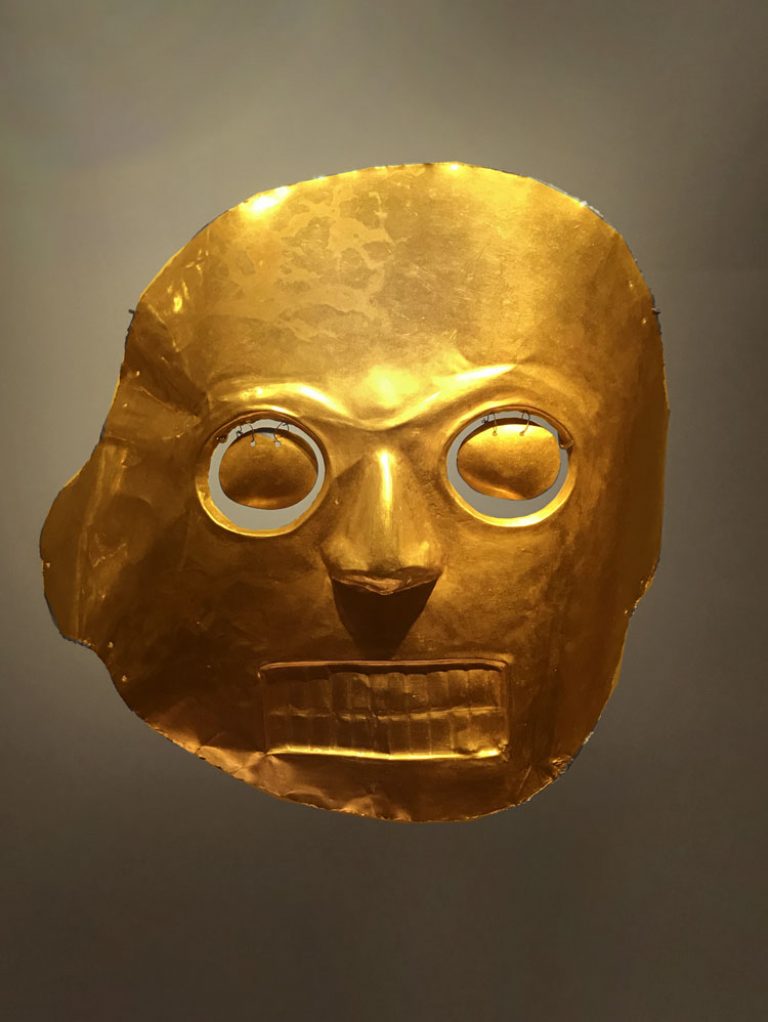
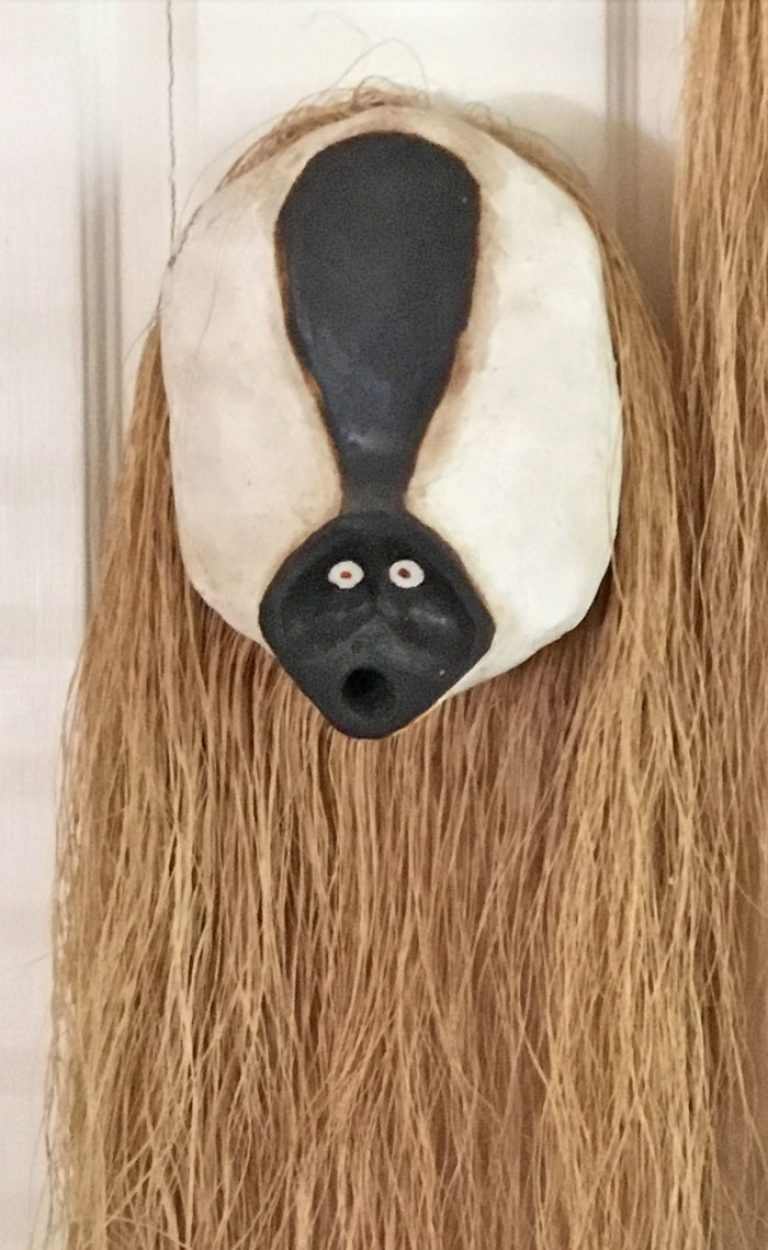
The masks created by Colombia's indigenous communities represent some of the most technically inventive objects in the Americas. The Piaroa-Huarime work in fiber, bark cloth, white clay, and black-stained beeswax to create masks that represent animal spirits from the Orinoco basin. The Tikuna of the Amazon produce crowded, expressive forms - animals, supernatural beings, ancestral figures carved and assembled with bark cloth mantles. The Tairona and pre-Columbian cultures of the Caribbean coast left behind gold and ceramic masks that now sit in the Museo del Oro in Bogotá, among the most significant collections of pre-Columbian metalwork on earth.
This is a region Troy and Paula know from the inside. Medellín is the operational base, and Colombia's indigenous collecting landscape is something the team has studied not from a distance but from within the country.
"Colombia's mask traditions are almost entirely unknown outside serious collector circles, which is both a frustration and an opportunity. The Tikuna crowned mask is as significant an object as anything you'll find in more famous collecting categories. The collectors who know that are very few. The collectors who are about to find out are about to have an advantage."
- Paula, co-author, Masks of the World"The Museo del Oro in Bogotá holds pre-Columbian gold burial masks that redefine what you thought you knew about the sophistication of ancient Colombian cultures. Spend a morning there before you try to collect anything from this region. It recalibrates your eye completely."
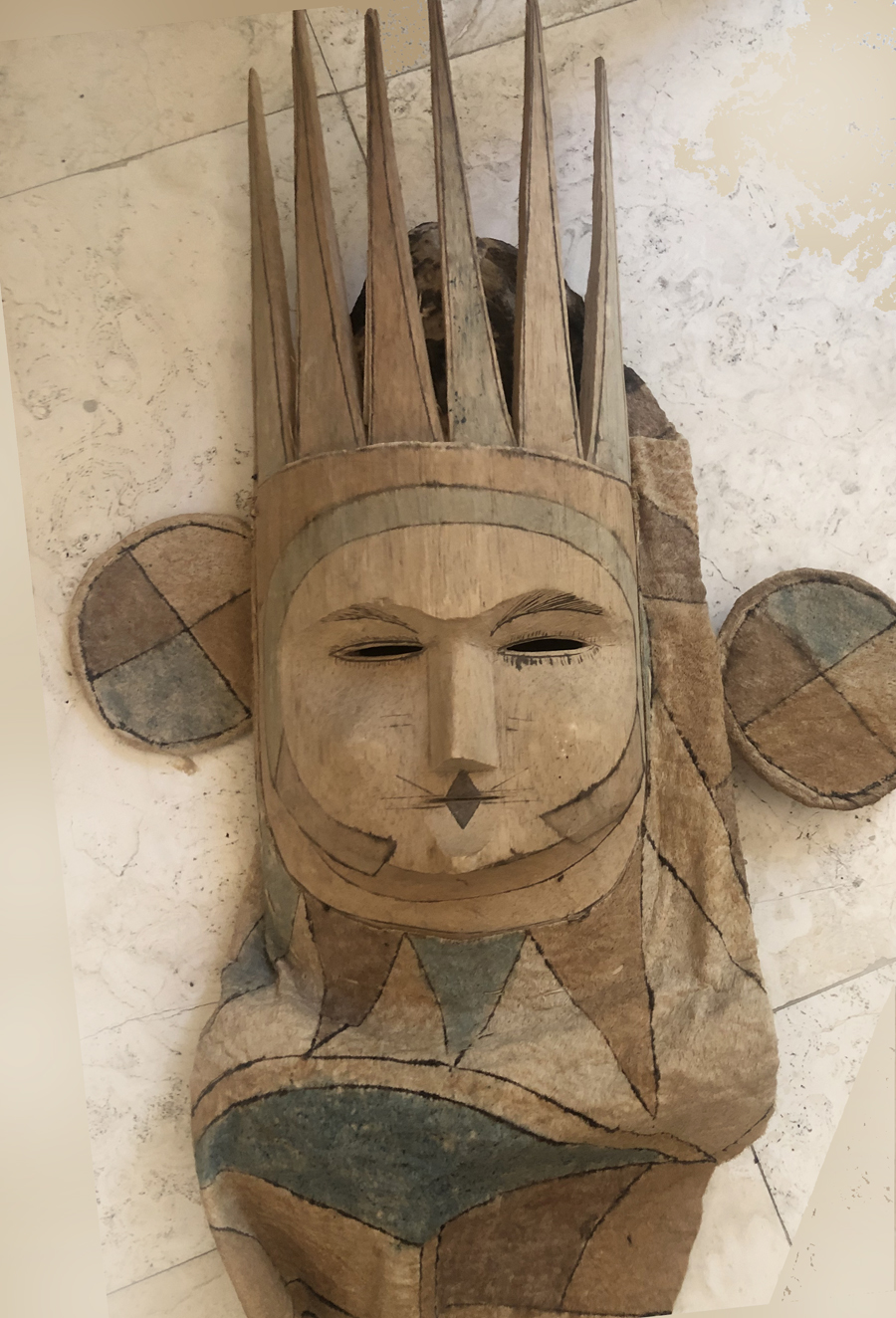
- Troy YohnThe Tikuna, also spelled Tukuna, of the Colombian and Brazilian Amazon produce some of the most visually powerful masks in South America. The crowned Tukuna mask, expertly carved with bark-cloth mantle and round carved ears, represents animal spirits and ancestral figures used in the Worecü initiation ceremony, one of the most important coming-of-age rites in Amazonian culture. These pieces are of genuine cultural significance and, outside specialist circles, significantly undervalued as collecting objects.
The Piaroa-Huarime of the Orinoco basin create masks of extraordinary material ingenuity fiber frames covered with bark cloth, white clay, and black-stained beeswax, representing animal spirits such as the owl monkey and skunk indigenous to the region. The Guahibo produce masks with wooden extensions at the back of natural fiber coverings that challenge conventional assumptions about what a mask is. These are specialist objects that reward deep study and are rarely found in generalist auction markets.
The highland traditions offer a different register entirely. The Embera are renowned for intricate beadwork and wooden masks adorned with jaguar and bird motifs. The Kogi and Tairona produced stone and clay masks with geometric patterns used in sacred ceremonies connecting the living to ancestors. The Wayuu, exceptional weavers, create vibrant fabric masks that express a cultural identity distinct from any other Colombian tradition. Three peoples, three completely different approaches to the same object.
The Museo del Oro in Bogotá holds one of the most significant collections of pre-Columbian goldwork on earth, including burial masks of pure gold from cultures such as the Muisca, Quimbaya, and Tairona. These objects are not collectible in the private market, they are national patrimony but understanding them is essential context for anyone collecting Colombian indigenous art. What the pre-Columbian cultures of Colombia achieved in gold and ceramic work before Spanish contact was extraordinary, and that context shapes everything that came after.
A selection of masks from Colombia and the surrounding region. Click any mask to view full size with cultural notes.
Colombian indigenous masks occupy a peculiar position in the collecting world, extraordinarily significant culturally, relatively unknown outside specialist circles, and as a result, often undervalued in the market. This is beginning to change. Collectors who get here first, with the right knowledge, are in an enviable position.
The Tikuna crowned mask is as significant an object as anything in the African or Northwest Coast categories in terms of cultural depth, ceremonial context, and artistic execution. It simply hasn't had the same exposure. That asymmetry between cultural significance and market recognition is exactly where serious collectors find the most interesting opportunities.
The dual production problem, where some Colombian traditions produce both ceremonial pieces and tourist objects using the same materials and similar techniques means that provenance and context are more important here than in almost any other category. The difference between a Piaroa mask made for ceremony and one made for the tourist market is not always visible. Knowing the difference requires knowledge, not just eyeballing.
For Colombian masks specifically, you have access to two people who know this region from the inside, Troy and Paula. Send a photo and a question.