European Masks

The category most collectors overlook and one of the oldest, strangest, and most geographically diverse mask traditions on earth. From Venice's Carnevale to the Alpine Krampus to Romanian funeral rites, Europe has been behind the mask for a very long time.

Older than you think. Stranger than you expect.

Europe has been behind
the mask for thousands of years.
Most collectors have no idea.

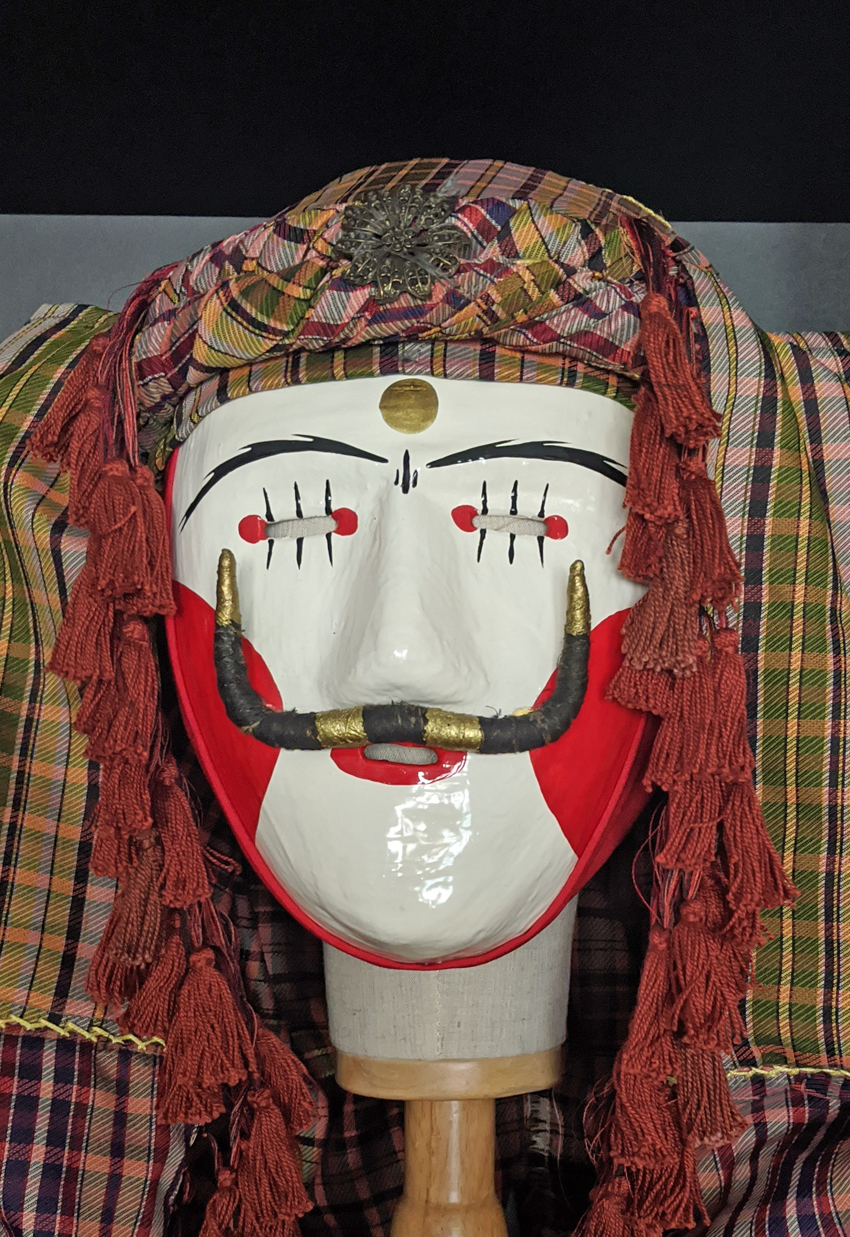
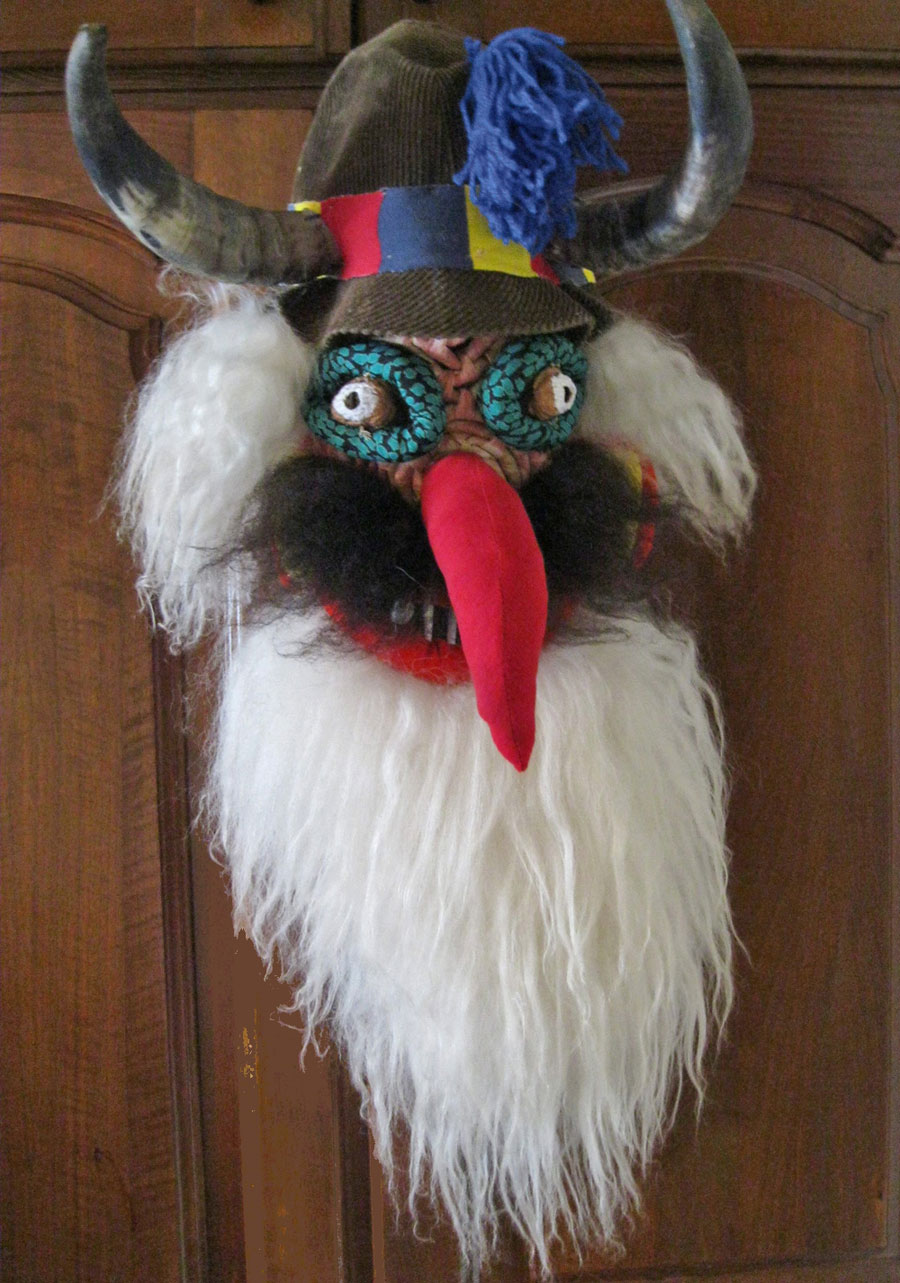
European masks occupy an unusual position in the collecting world, they are simultaneously the most familiar and the most overlooked. Every collector knows Venice. Almost no one knows the Tschaggatta of the Swiss Alps, or the Busojaras of Hungary, or the Chocalheiro of Portugal, or the Romanian ritual masks that appear at funerals, New Year celebrations, and agricultural rites in villages that have been doing this for longer than anyone can document.

The European mask tradition is not one thing. It is dozens of distinct folk traditions that evolved independently across the continent, each rooted in a different combination of pre-Christian ritual, Catholic festival calendar, seasonal agriculture, and community identity. The Alpine traditions alone, Switzerland, Austria, Germany, northern Italy, constitute a collecting area of extraordinary depth and variety that would take years to understand properly.

Four collectors in our community have declared specific interest in European masks. That small number almost certainly underrepresents the actual audience because most collectors encounter a Venetian carnival mask at some point and file the whole category under "decorative." The folk traditions are something else entirely. They are ceremonial, often frightening, and deeply old.

Three traditions that define European collecting

Not Venetian carnival.
Much older. Much stranger.

🏔️

Alpine Folk Traditions, Switzerland, Austria, Germany

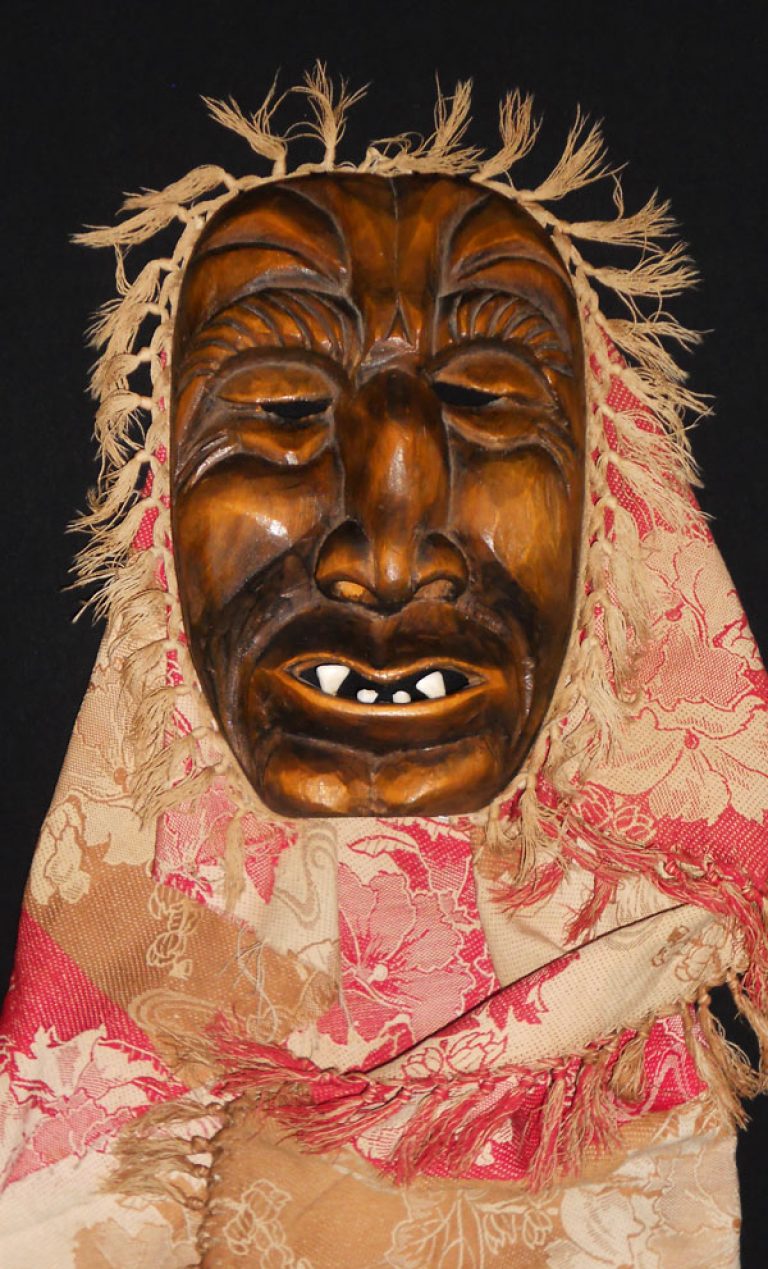
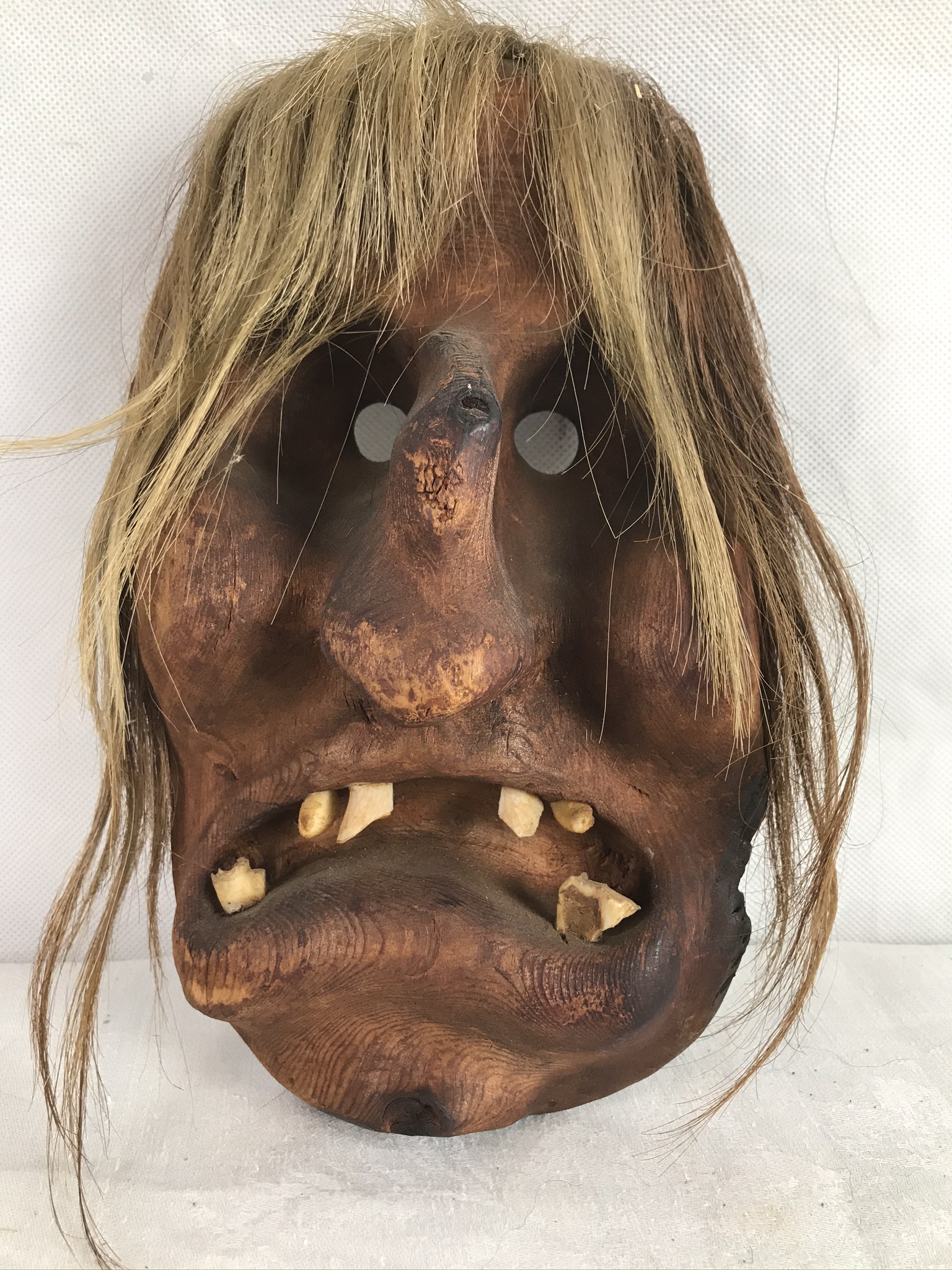
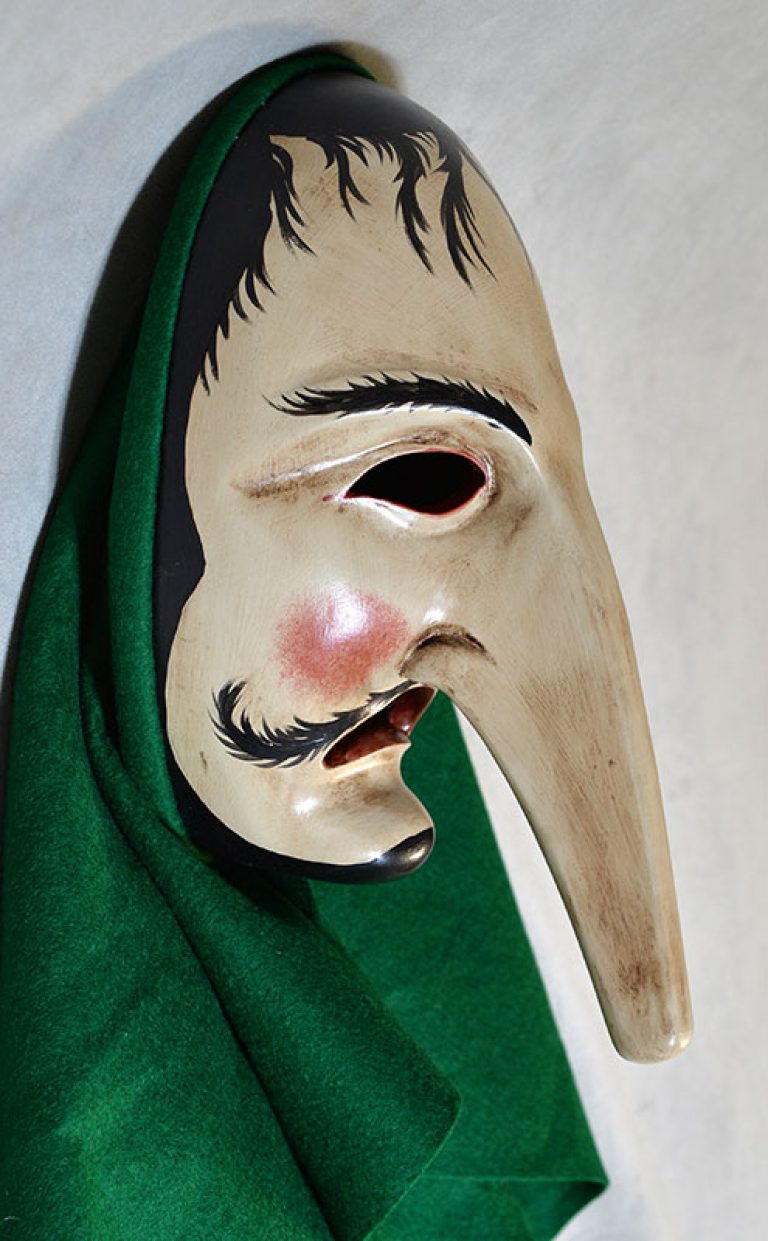
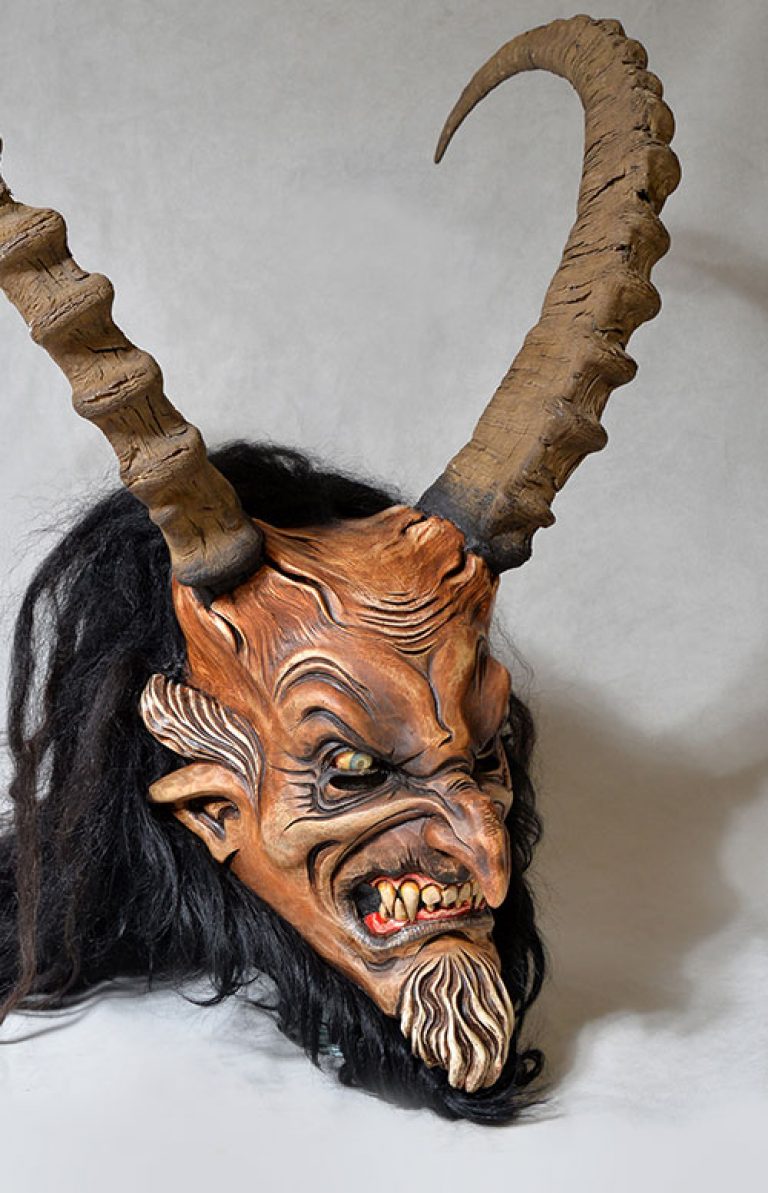
The Alpine mask traditions are among the most extraordinary in the world and among the least known outside their home regions. The Tschaggatta of the Lötschental valley in Switzerland are carved wooden masks of menacing character, worn in pre-Lenten processions that drive out winter. The Butzi of eastern Switzerland, the Fasching masks of the German and Austrian Alps, the Krampus of the broader Alpine region, each village has its own forms, its own rules, its own history. The Krampus particularly has entered global popular culture in recent years, but the authentic carved wooden Krampus masks from small Austrian and Bavarian villages are genuinely old objects, deeply different from the commercial versions.

🎭

Carnival & Festival, Venice, Basel, Mohács

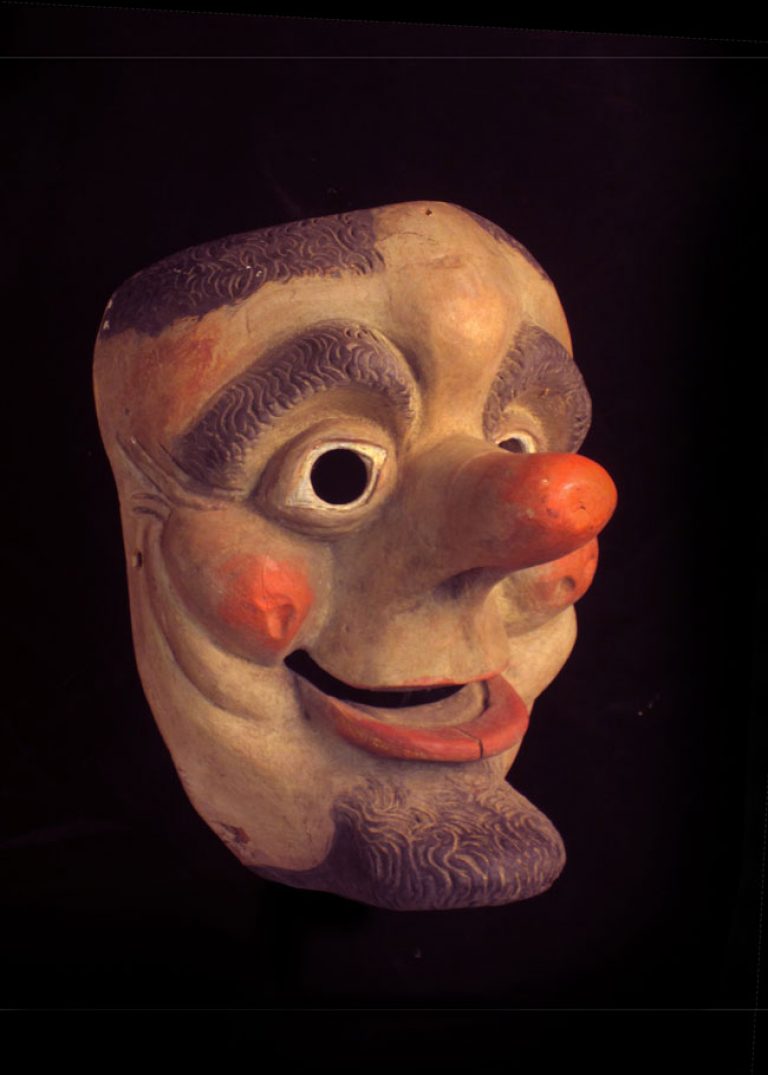
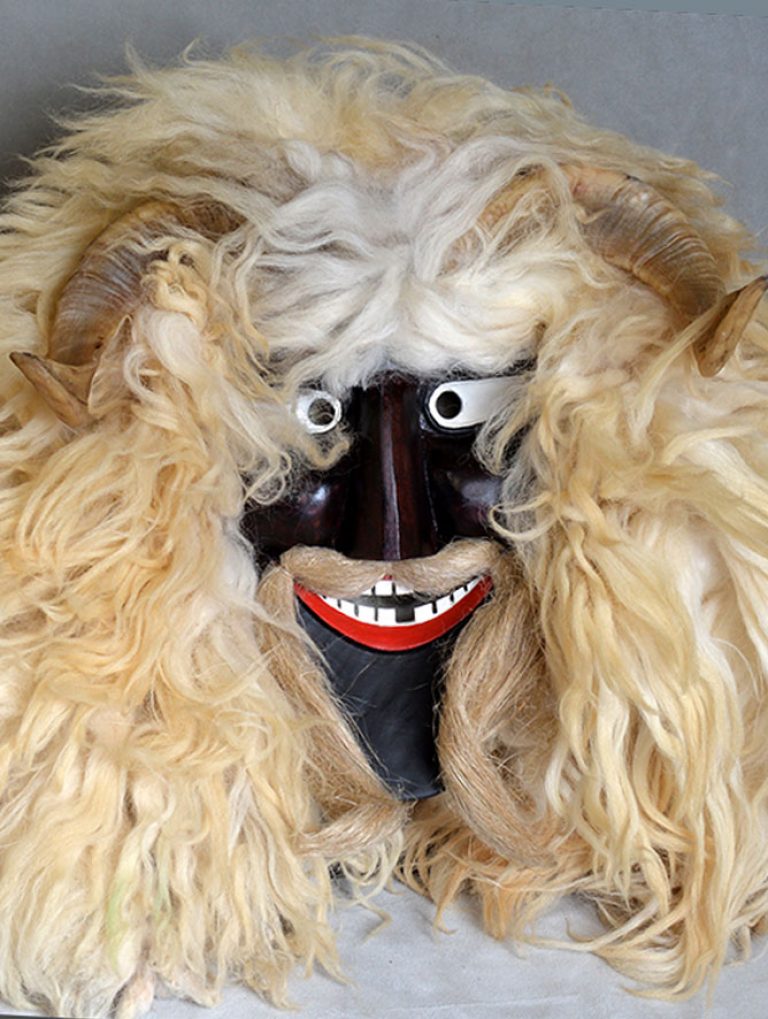
The carnival tradition runs from Venice, where Commedia dell'Arte masks have been made and worn for five centuries, to Basel's Fasnacht, one of the most disciplined and technically accomplished mask-making traditions in Europe, to the Hungarian Busojaras of Mohács, where the Croatian community dons terrifying wooden masks to chase away winter on the day before Ash Wednesday. These are not the same tradition with different costumes. They are distinct cultural expressions that happen to share a calendar proximity. The Basel tradition in particular produces masks of a quality and complexity that serious collectors of folk art have only recently begun to appreciate properly.

🌙

Pre-Christian Ritual, Romania, Portugal, Eastern Europe

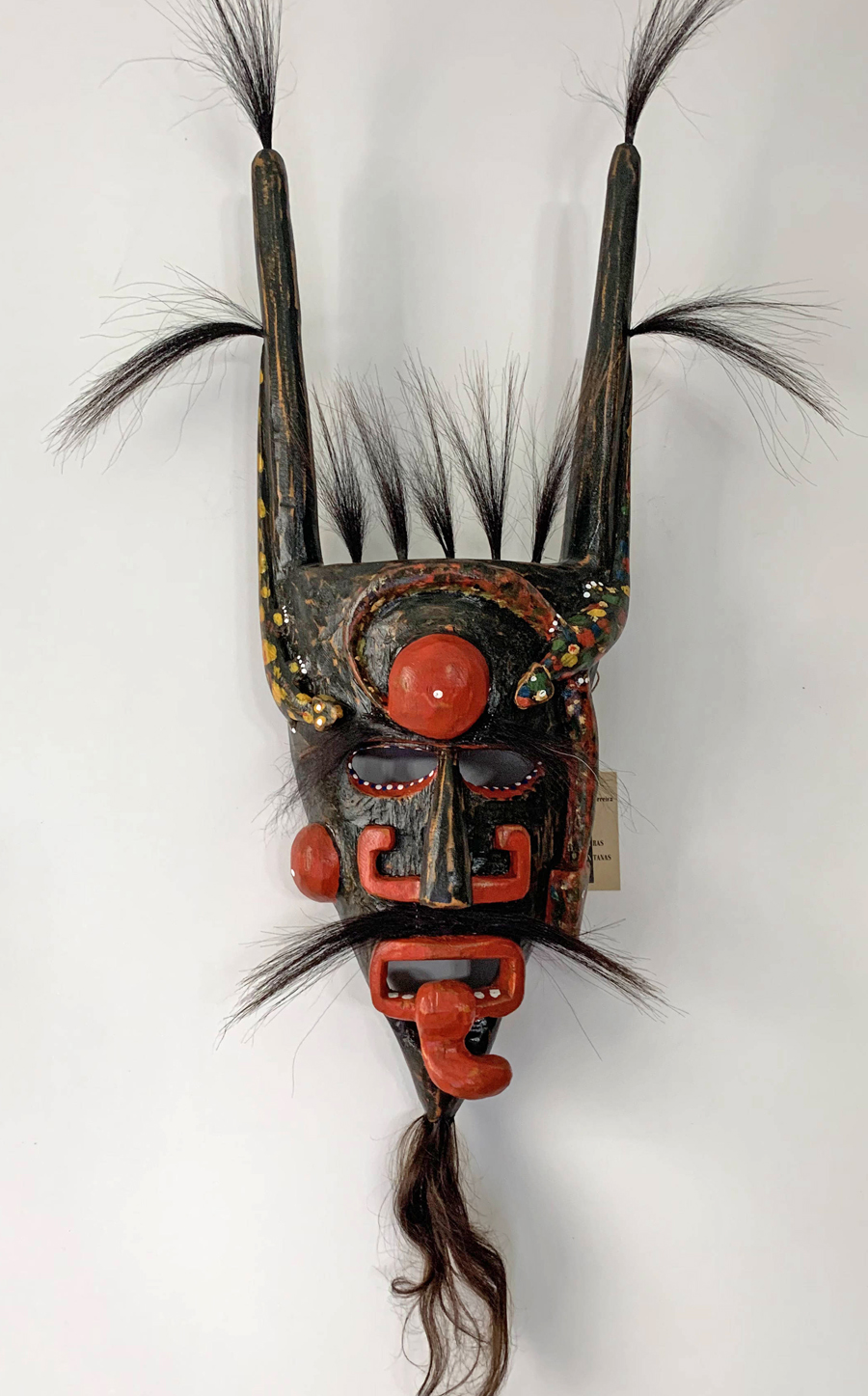
The most ancient-feeling European mask traditions are found in Romania and Portugal, places where pre-Christian folk practice survived the Christian calendar by being absorbed into it rather than suppressed. Romanian ritual masks appear at New Year celebrations, funerals, and agricultural rites in village contexts that have continued largely unchanged for centuries. The Portuguese Chocalheiro represents desires expressed at the winter solstice, pre-dating Christianity entirely in its origins, surviving because it was too deeply embedded in village life to dislodge. These are the European masks that feel most like their counterparts in Africa or Mesoamerica, ceremonially functional, communally significant, and very old.

The case for European masks as a collecting category

The most overlooked
serious collecting
category there is.

Here is the honest case for European folk masks as a collecting category: they are old, they are culturally serious, they are well-documented by European folklorists and ethnographers, and they are significantly undervalued relative to their African and Asian counterparts. That asymmetry exists primarily because the collecting world has not paid attention. That is beginning to change.

The Alpine traditions in particular, Swiss, Austrian, German, produce carved wooden masks of extraordinary quality. The best examples are made by village carvers working within specific local traditions, using techniques and forms passed down through generations. A fine Tschaggatta from the Lötschental valley is as significant a folk art object as a comparable piece from any other region. It simply hasn't been priced that way.

"The Krampus has gone global, which is good for cultural awareness and bad for collectors because now everyone thinks they know what a Krampus mask is. The authentic village pieces look nothing like what you find on the internet. They look like something that actually scared people."

  • Learn to distinguish village-made folk pieces from carnival souvenir production, the difference is significant in every dimension
  • The Alpine traditions (Swiss, Austrian, German) are the highest-quality collecting area within Europe, deep regional specificity rewards study
  • Romanian and Portuguese folk masks represent some of the oldest surviving European mask traditions, well-documented, relatively accessible
  • The Busojaras tradition of Hungary is UNESCO-recognized, documentation is good, provenance is traceable
  • Venice is decorative. The folk traditions are ceremonial. They are different objects for different collectors.
Ask Us about a specific piece
Many Collectors in our community have declared specific interest in European masks, a number we believe significantly underrepresents the actual audience for serious European folk pieces.
500+ Years of continuous Venetian Carnevale mask tradition, though the folk Alpine traditions are older still, pre-dating the Christian calendar in their origins.
2009 The year the Hungarian Busojaras tradition was inscribed on the UNESCO Representative List of Intangible Cultural Heritage, one of several European folk mask traditions with formal international recognition.
Have a European folk mask — Alpine, Eastern European, or Iberian, you can't place? Ask Us directly →
Have a European mask
you can't identify?

Alpine folk pieces, Eastern European ritual masks, Iberian carnival traditions. Send a photo and a question.

Previous region ← Colombian Masks
Next region