From the blog
The masks click to explore.
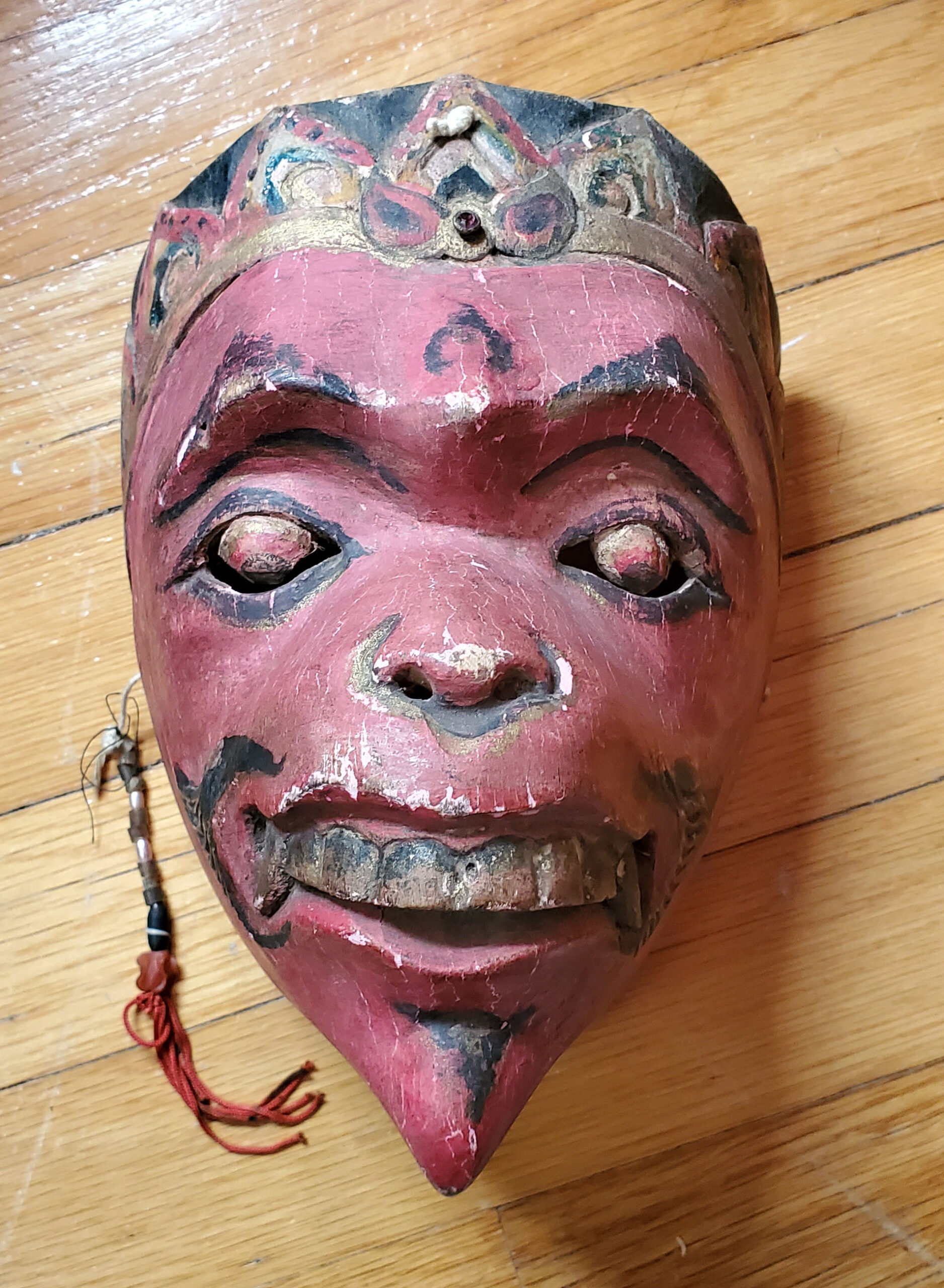
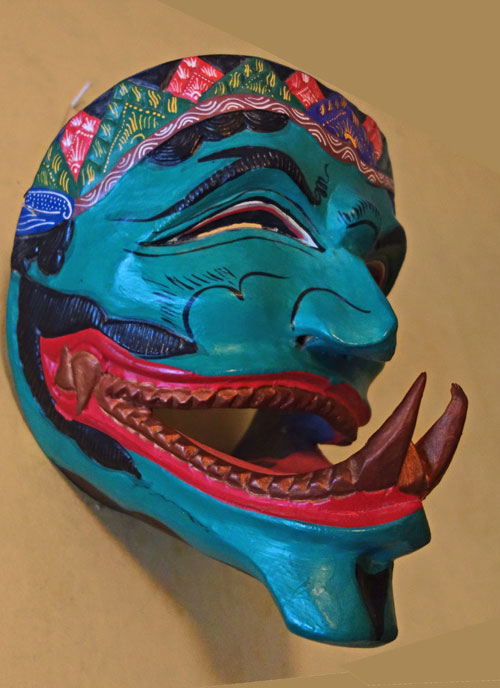
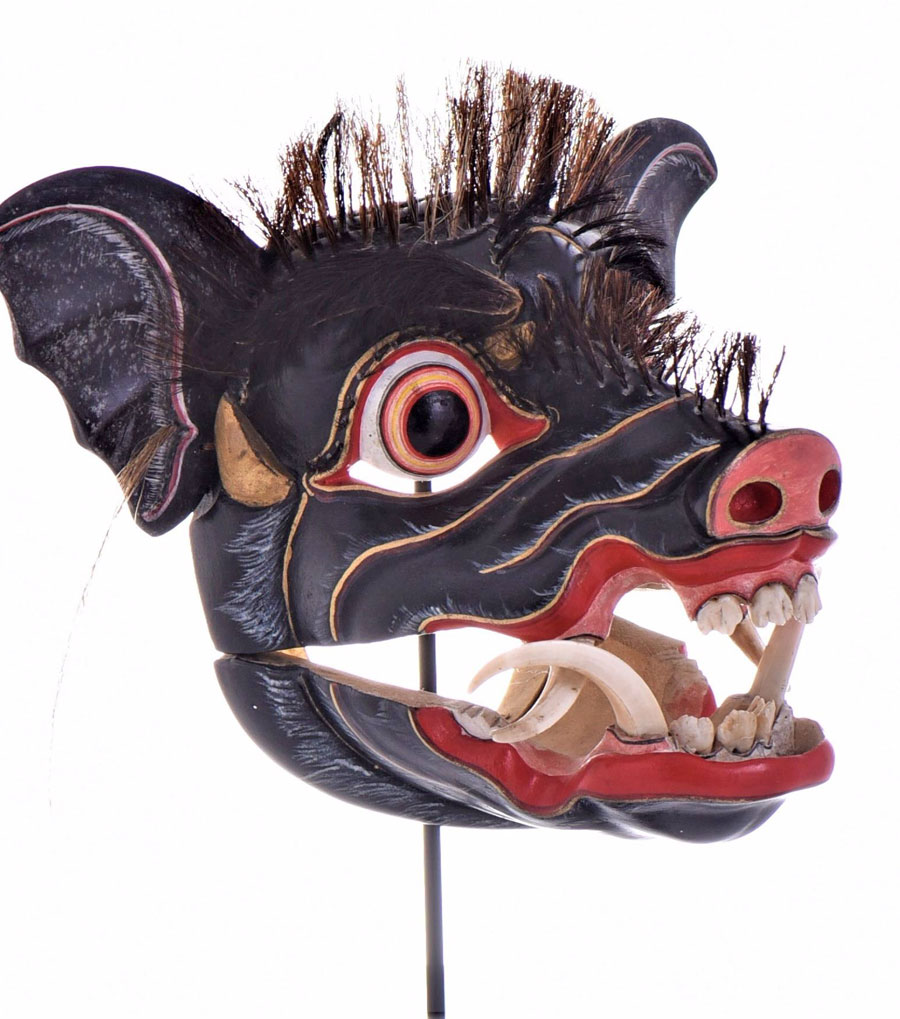
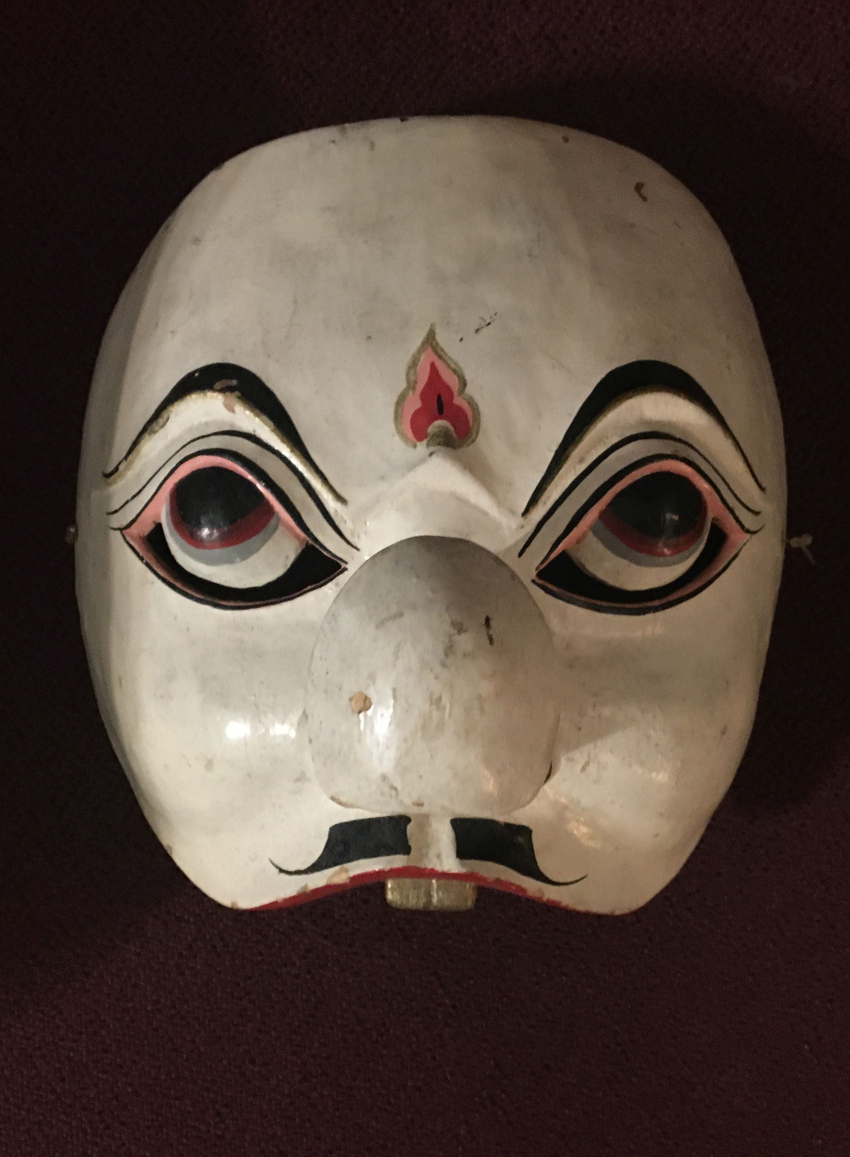
Nine pieces from Java and Bali, Topeng dance, Wayang Wong, Calonarang, and village tradition. Click any mask to view full size with cultural notes.
Masks as theatre, ritual, and cosmic order, all at once. Indonesia's mask traditions span Java, Bali, and hundreds of islands, producing some of the most technically accomplished and spiritually significant mask-making in the world. And it's still very much alive.
Indonesia is home to more than 300 ethnic groups across an archipelago of 17,000 islands, and masks play an important role across many of these cultures, in performances, rituals, and ceremonies that have continued for centuries. From the iconic Topeng dance of Java to the Barong and Rangda of Bali, Indonesian masks bring to life stories and legends that form the backbone of the country's Hindu, Buddhist, and animistic traditions.
What makes Indonesian mask-making extraordinary is the convergence of several forces: the technical skill of carvers who train for years under masters; the religious and cosmological frameworks that give each mask its specific meaning and function; and the living performance context in which these objects still appear. These are not museum pieces. The Calonarang dance drama is still performed in Bali. The Wayang Wong continues. The masks are still doing their job.
The Ida Bagus Anom piece in our collection tells you everything you need to know about the status of Indonesian mask-making. He is a globally recognized wood carver, mask creator, dancer, and puppeteer, someone whose work has been shown at the San Francisco Asian Art Museum and the Santa Fe Folk Art Festival. That level of international recognition attached to a living tradition is extraordinary. It is also a sign of just how serious this category is as a collecting area.
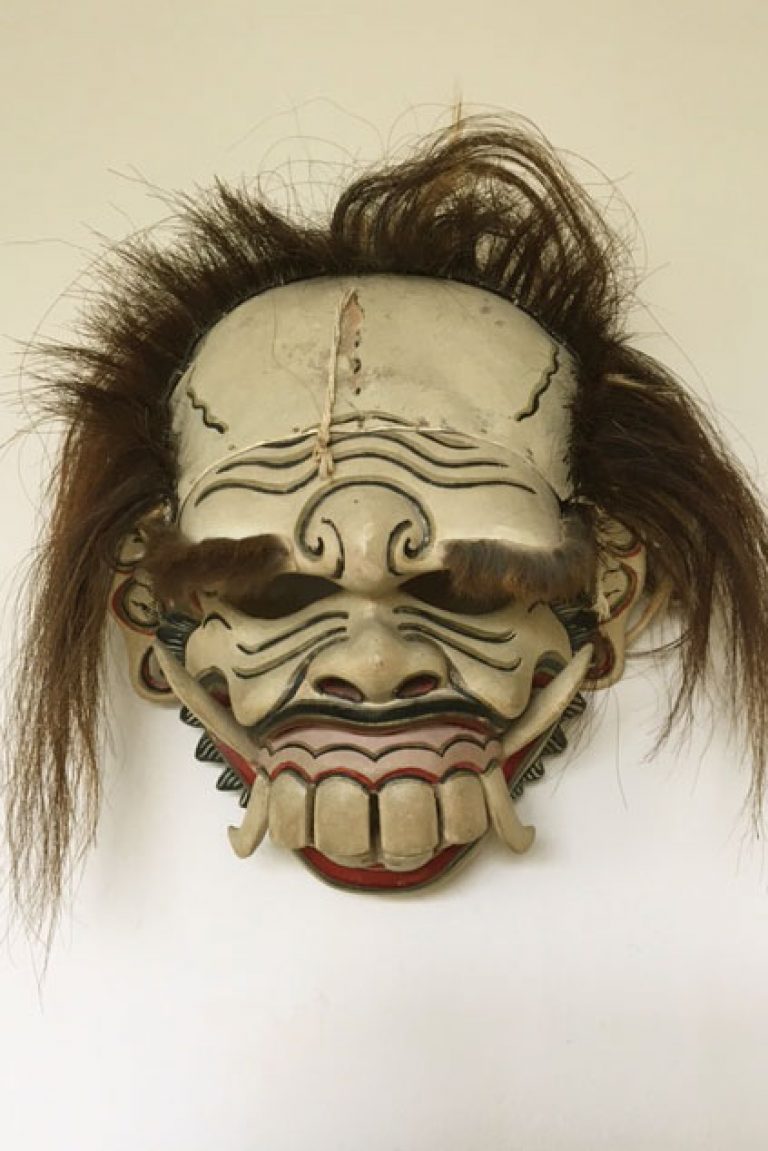
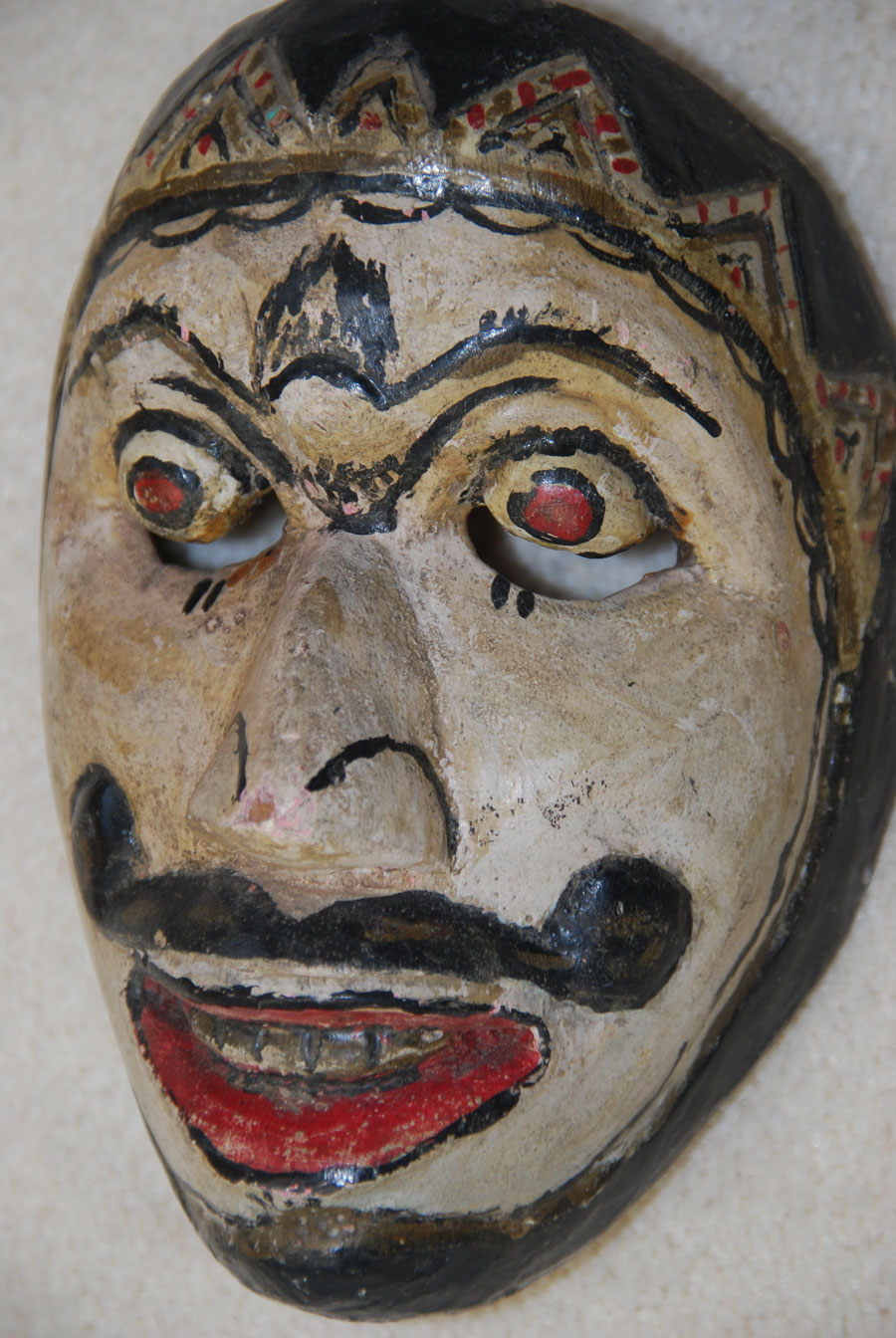
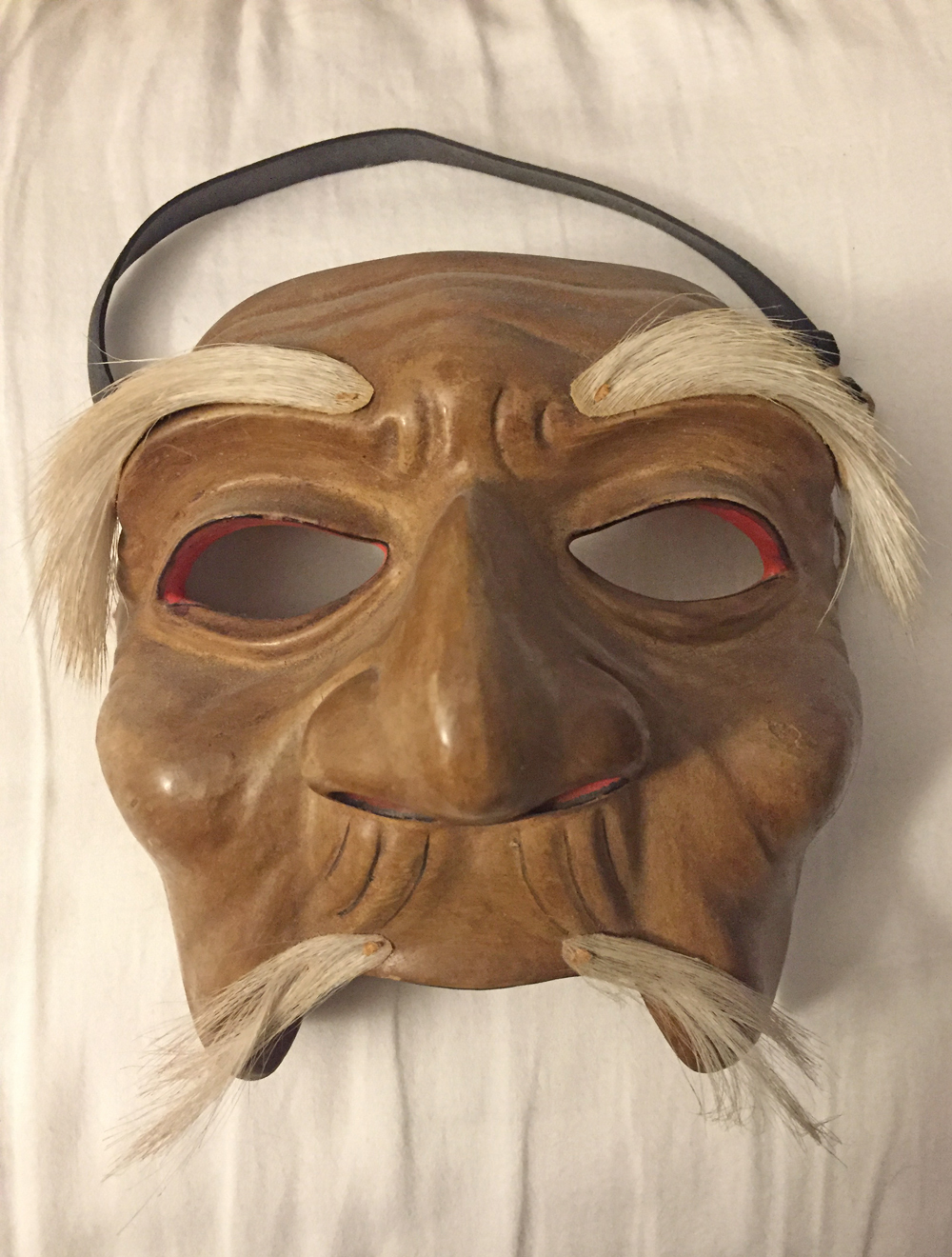
Topeng is the foundational masked dance tradition of Java, a theatrical form in which performers bring to life characters from the Hindu epics, Javanese history, and local legend. The masks define the character entirely: a full-faced mask means the performer cannot speak; a half-mask allows dialogue. The Cakil mask, featuring exaggerated fangs, represents Arjuna's main opponent in the dance drama, and is one of the most recognizable forms in Javanese performing arts. The Bagong, a comic servant figure in the Wayang Wong dramas, represents the opposite end of the emotional register, providing relief and humanity in performances that can run for hours.
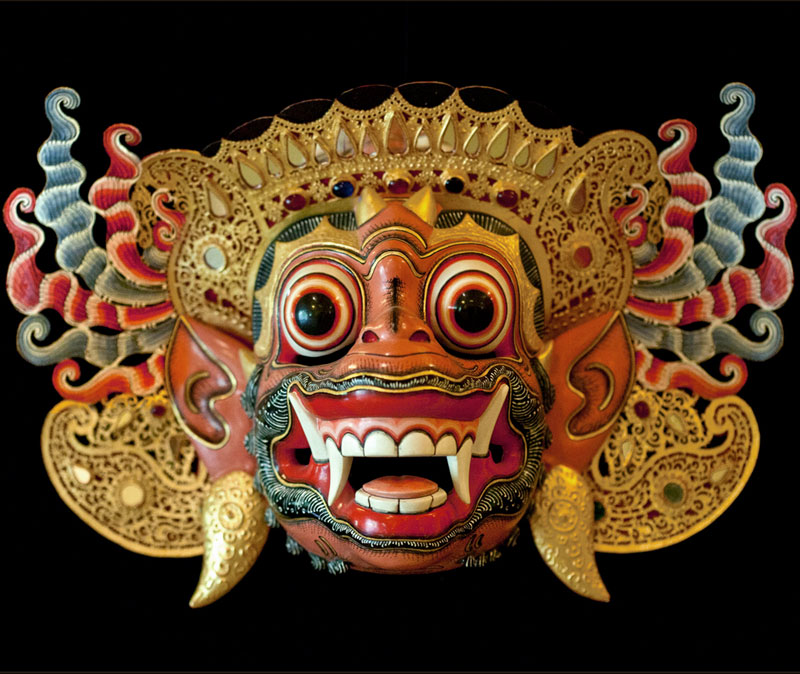
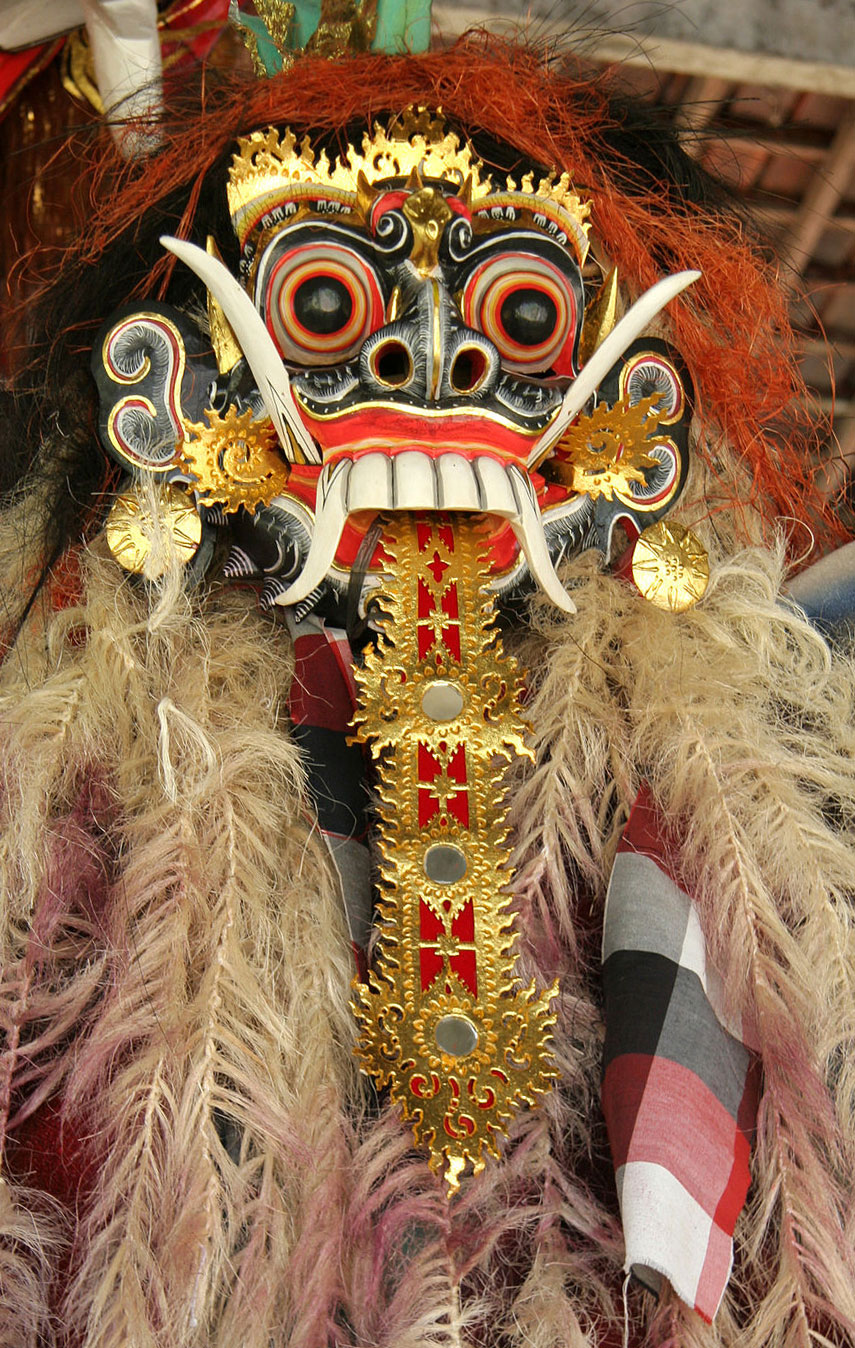
The Barong and Rangda are the two poles of Balinese cosmology made physical. Barong, a benevolent lion-like creature, represents goodness and is believed to protect villages from dark forces. Rangda, a demonic witch, represents malevolence and chaos. Their ritual confrontation in the Calonarang dance drama is not entertainment; it is a ceremony that reaffirms the balance between opposing forces that keeps the cosmos in order. The Rangda mask in particular with its protruding eyes, fangs, and extended tongue, is one of the most powerful ritual objects in Southeast Asia. Collecting an authentic Rangda mask means collecting something that has held real spiritual function.
Wayang Wong is the masked dance drama of the Hindu epics, the Ramayana and Mahabharata, performed across Java and Bali. The monkey characters, Subali the Monkey King and the various comic monkey figures, are among the most visually distinctive masks in the tradition, combining animal and human features in ways that reflect the characters' ambiguous status between natural and supernatural worlds. The Bali Wild Boar represents another dimension of this animal-spirit cosmology. These are not decorative animal masks. Each one occupies a specific dramatic and cosmological position within a theatrical system that Indonesian performers spend lifetimes mastering.
Nine pieces from Java and Bali, Topeng dance, Wayang Wong, Calonarang, and village tradition. Click any mask to view full size with cultural notes.
Indonesian masks occupy an unusual position in world collecting: they are simultaneously among the most beautiful and technically accomplished objects in any category, and among the most actively produced because the traditions that require them are still alive. This creates a complexity that rewards serious collectors and trips up casual ones.
The critical distinction for any collector is between masks made for use in active ceremonies and performances, masks made by master carvers as artistic objects in the tradition of the form, and masks made for the tourist market. All three exist in Indonesia. The tourist production ranges from crude to surprisingly competent. The master carver pieces, objects by figures like Ida Bagus Anom — are internationally recognized works of art. The ceremonial pieces are something else entirely: objects charged with function and belief.
"A Rangda mask that has been used in actual Calonarang ceremony looks and feels completely different from one made for sale. The difference is not subtle once you know what you're looking at. The question is always whether you know."
Topeng, Wayang Wong, Calonarang, village tradition — the Indonesian typology rewards study. We can help identify character, origin, and context from a photograph.