From the collection
The masks click to explore.
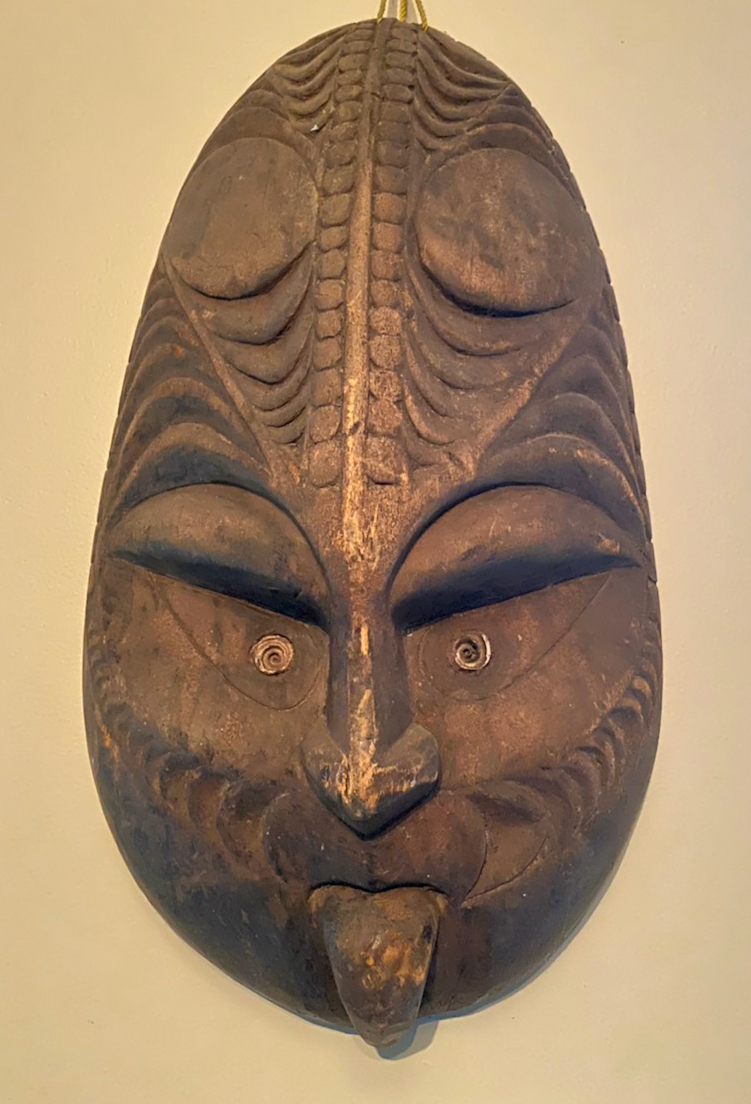
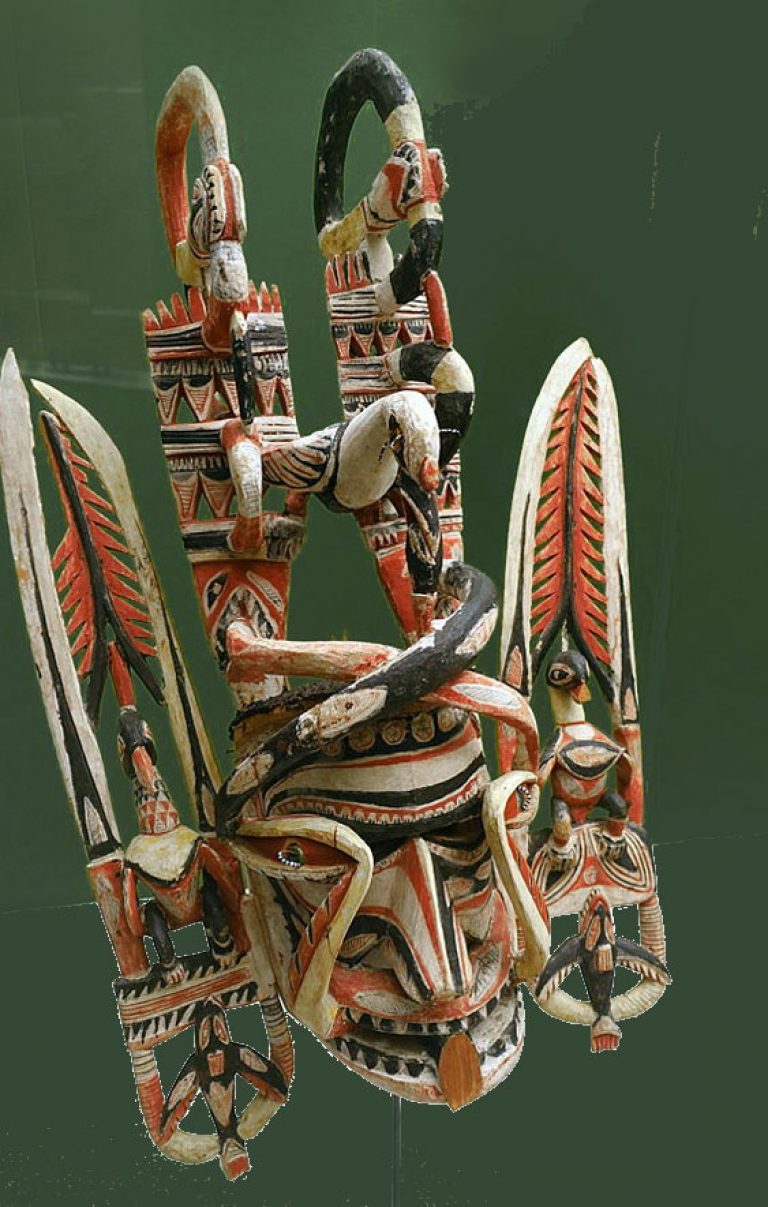
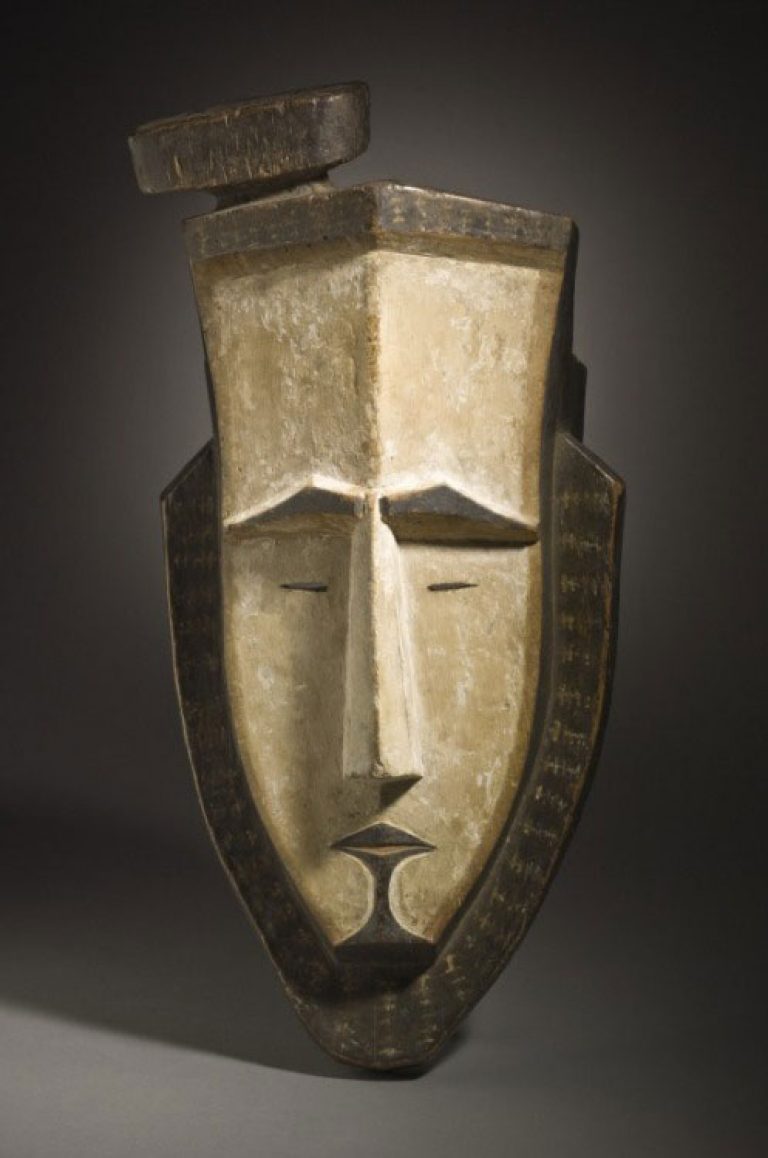
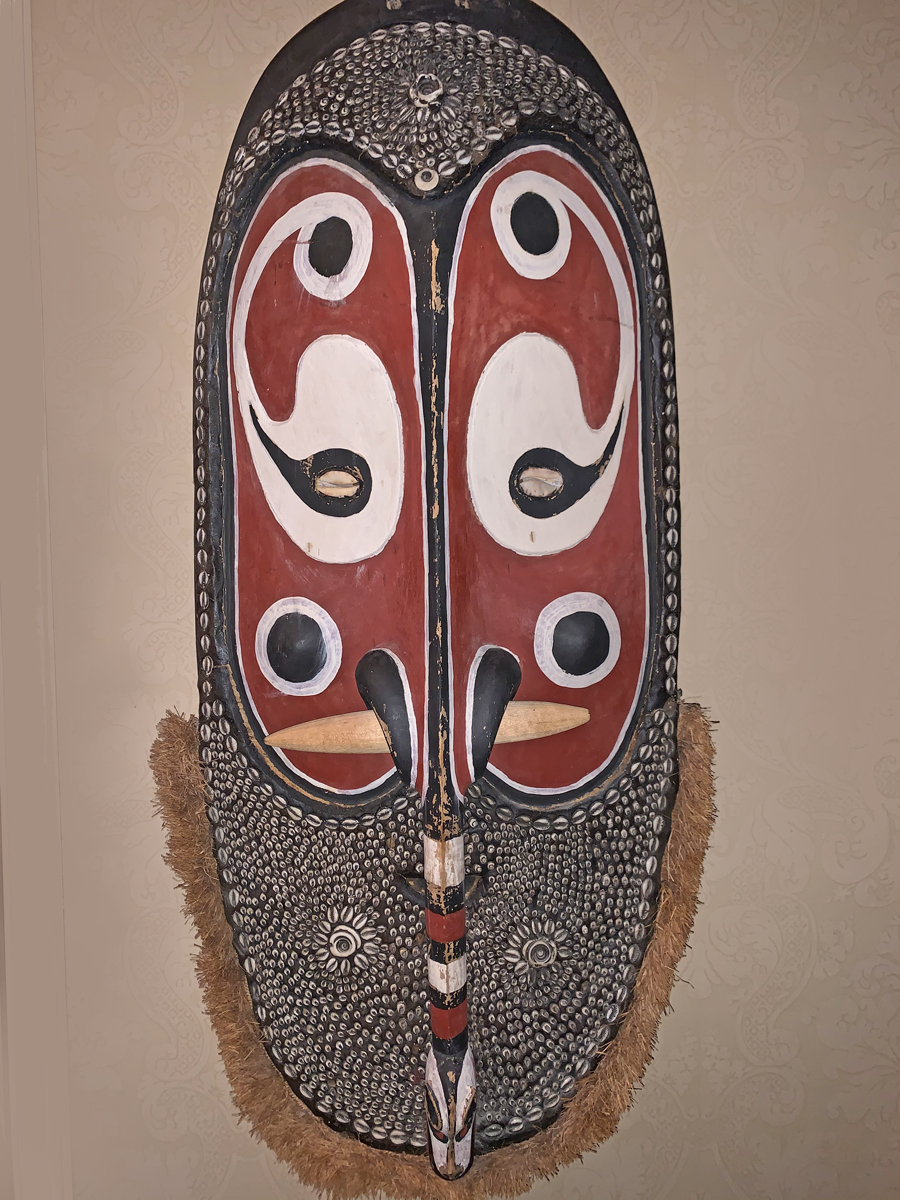
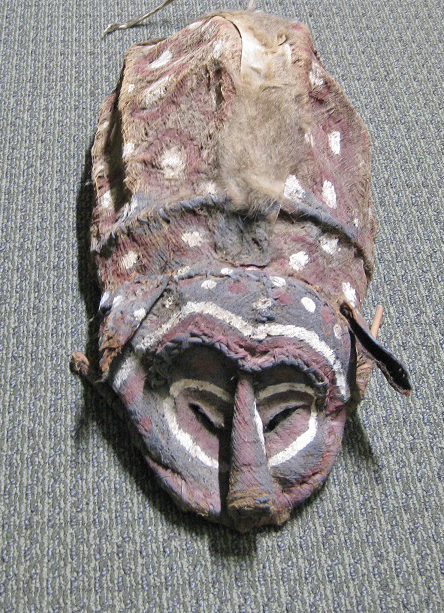
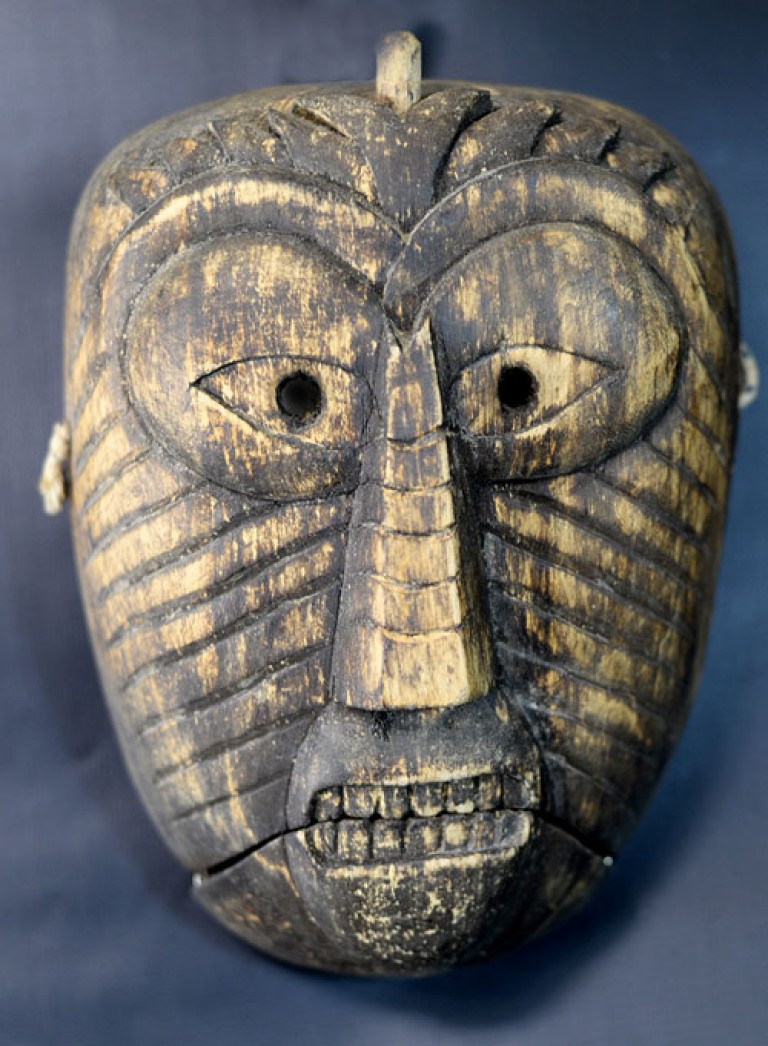
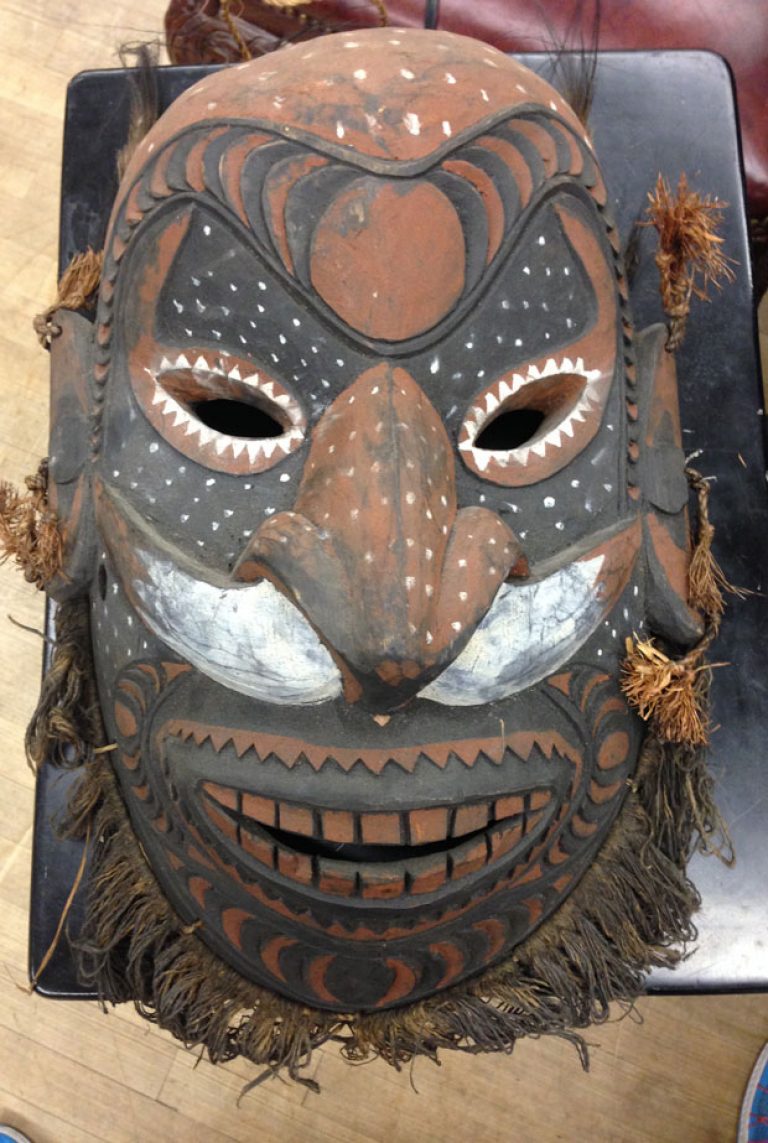
Seven pieces from Papua New Guinea, New Ireland, Micronesia, and Malaysia. Click any mask to view full size with cultural notes.
Some of the most powerful ceremonial objects on earth and some of the least known outside serious collector circles. Papua New Guinea's Sepik River alone contains more distinct mask-making traditions than most entire continents. This is where the deep specialists go.
The Pacific Islands span an enormous geographic area, Polynesia, Micronesia, and Melanesia but for serious mask collectors, the gravitational center is Melanesia, and within Melanesia, Papua New Guinea. The Sepik River basin alone contains more distinct artistic and ceremonial traditions than most entire continents. Village groups separated by a day's travel along the river can produce objects that look and function completely differently from each other.
A note on this gallery: most of the pieces here are Melanesian, Papua New Guinea, New Ireland, Micronesia with one Southeast Asian piece, the Mah Meri mask from Malaysia. The Mah Meri are technically a Southeast Asian indigenous people rather than Pacific Islanders, but their mask tradition shares meaningful characteristics with Melanesian ceremonial practice and belongs in this conversation. We note the geographic distinction and include them anyway because the mask is extraordinary.
Five collectors in our community have declared specific interest in Pacific Islands masks, a small number that reflects the specialist character of this category. These are not casual collecting objects. The Sepik River traditions in particular require years of study before a collector can reliably distinguish between a mask made for clan ceremony, a mask made for initiation, and a mask made for sale. The rewards for that study are extraordinary.
The Sepik River basin of Papua New Guinea is the most concentrated area of mask-making diversity in the world. Along the river's 1,100 kilometers, hundreds of distinct cultural groups have developed their own ceremonial traditions, ancestor masks, spirit masks, initiation masks, agricultural masks. The Sepik ancestor mask, often displayed without eye holes, functioning more as sacred sculpture than wearable object, is one of the most significant forms in world art. The Abelam Yam mask connects ceremonial life directly to agricultural cycle. No two villages tell the same story, which is what makes this the most demanding and most rewarding collecting area in the Pacific.
New Ireland, the smaller island northeast of Papua New Guinea, is home to one of the most distinctive masquerade traditions in Melanesia, despite its relatively small population. The Matua mask is part of the broader Malanggan ceremonial complex: elaborate carved and painted objects created specifically for mortuary feasts and then destroyed or allowed to decay afterward. A surviving Malanggan piece is by definition an object that escaped its intended fate. The New Ireland tradition has been extensively collected by European museums since the 19th century, which makes provenance research more tractable than for many other Pacific traditions — but also means the best pieces left the islands generations ago.
The Tapuanu mask from the Mortlock Islands of Micronesia represents a tradition that is distinct from the Melanesian forms in both scale and function, smaller, more intimate, connected to the navigation and ocean-faring culture of Micronesian island communities. The Mah Meri of Malaysia's Pulau Carey island, technically Southeast Asian but with ceremonial practice that connects to the broader Pacific world — produce masks for the Main Jo-oh dance performed at the annual Hari Moyang festival. The Tago masks of the broader region carry one of the most specific ceremonial functions documented: when men wear them, a prohibition is imposed on coconuts for an entire year, and harmony must be maintained within the village. That level of ceremonial consequence attached to an object is extraordinary by any standard.
Seven pieces from Papua New Guinea, New Ireland, Micronesia, and Malaysia. Click any mask to view full size with cultural notes.
The Sepik River is 1,100 kilometers long. Along its length, hundreds of distinct cultural groups have developed ceremonial traditions that are related but not the same, sharing a river and a geography while maintaining fundamentally different relationships to ancestors, spirits, agriculture, and initiation. No serious collector of Pacific Islands masks can approach this region without accepting that it will take years to understand even one section of the river well.
The ancestor mask without eye holes, the most common form from the Sepik men's house, is the entry point for most collectors. But the Abelam yam tradition, the Tago ceremonial system, the Malanggan mortuary complex of New Ireland, each of these is a separate world with its own scholarship, its own authentication challenges, and its own collecting history.
"The Sepik River ancestor mask without eye holes is not a mask that failed to have eyes carved. The absence of eye holes is the point. This object was never meant to be worn. It was meant to be present. That distinction changes everything about how you evaluate it."
Sepik River, New Ireland, Micronesia, or the broader Melanesian world. Send a photo and a question.