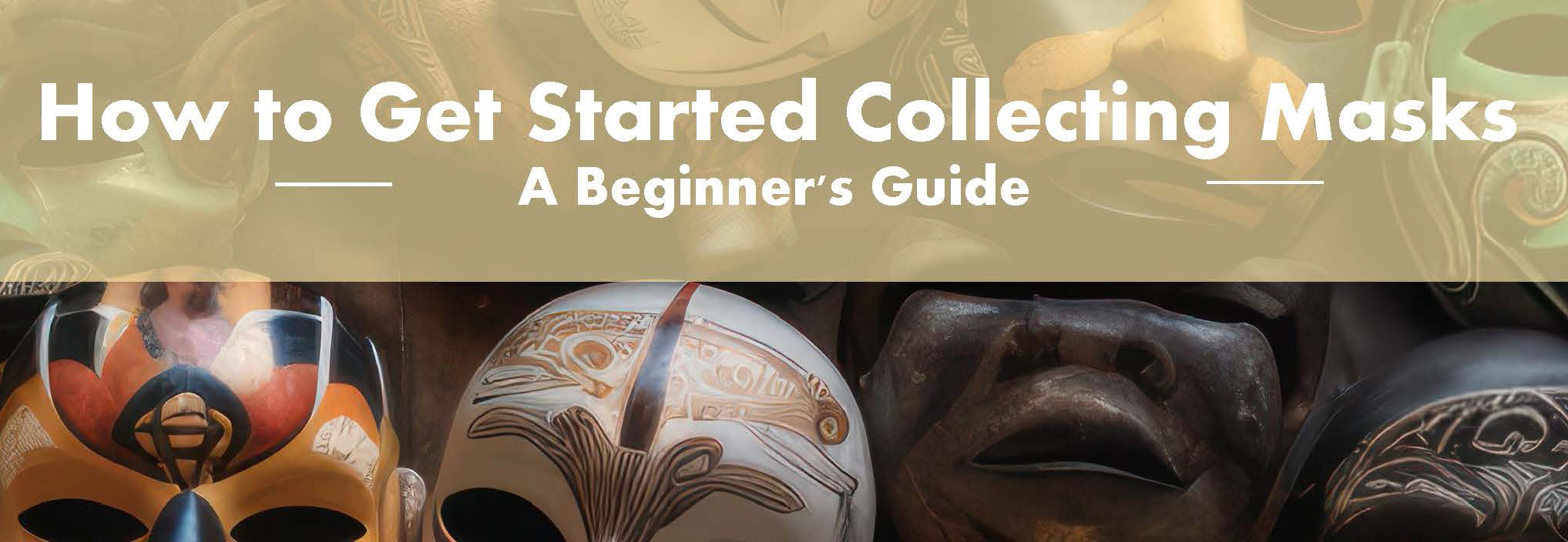
How To Get Started
Masks are not just
beautiful objects. They are
gateways.
Every mask tells a unique story reflecting the traditions, beliefs, and values of the people who made it, wore it, and danced in it. Collecting masks is one of the few hobbies where the object itself is never the whole point. The culture behind it always is.
By studying these masks you gain insight into the history and customs of societies most people will never encounter. Many have been used for centuries in ceremonies and rituals that are still alive today. That context is what separates a serious collection from a shelf of souvenirs.
Collecting is much like a quest, a lifelong pursuit that can never be complete. The thrill of the hunt, the joy of the find, the slow satisfaction of understanding what you're actually looking at. That's what this section is for.
Is Mask Collecting For You?
If you're reading this, probably yes. The people who find their way here usually already know, they just haven't admitted it to themselves yet.
Getting started doesn't require a big budget or a trip to West Africa. It requires curiosity, a willingness to do real research, and enough patience to walk away from something that doesn't feel right. Those three things will take you further than money ever will.
The research part matters more than most beginners expect. Not Wikipedia at 3am, though we've all been there. We mean immersing yourself in the culture: attending festivals, talking to people who make and use masks, understanding the history and symbolism before you spend a dollar. A mask means nothing without its context. With context, it means everything.
Set a budget and respect it. The most important masks in any serious collection were rarely the most expensive ones, they were the ones the collector understood when no one else did. That's the eye you're trying to build. Money can't buy it. Time and knowledge can.
Be skeptical of everything that seems too easy. Reproductions are everywhere, tourist markets are full of them, and even well-meaning sellers can be wrong about what they're selling. Stick to reputable sources, ask hard questions, and read the Authenticity guide before you buy anything significant.
When you find something real, display it with intention. A mask on a wall is a conversation waiting to happen. It connects your home to a place, a people, a moment in history. Care for it properly, keep it out of direct sunlight, and let it tell its story to everyone who walks through your door.
Collecting cultural masks is one of the more interesting things a person can do with their time and money. It will take you to places you never expected, literally and otherwise. We'll help you do it right.
Start exploring by region